
Seamless steel gas cylinders are widely used for storing and transporting compressed, liquefied and dissolved gases under pressure. Manufactured from high-strength steel without welded seams in the pressure-bearing body, these cylinders are designed to provide mechanical strength, reliable gas containment and long-term service performance.
Different types of seamless steel gas cylinders are available according to manufacturing standards, heat treatment, working pressure, water capacity, dimensions and gas application. Selecting the right cylinder requires consideration of gas compatibility, operating conditions, applicable regulations and the requirements of the intended application.
DSW Industry supplies industrial and specialty gas cylinders for international markets, with configurations available for different gases, capacities, pressure ratings and customer requirements. This guide explains the main types of seamless steel gas cylinders and the factors to consider when selecting them.
1. What Are Seamless Steel Gas Cylinders?
A seamless steel gas cylinder is a refillable pressure vessel manufactured from a steel billet or seamless steel tube without a longitudinal welded seam in its pressure-bearing body. Its cylindrical shell, base and shoulder are formed through controlled manufacturing processes to achieve the required strength and dimensional accuracy.
Compared with welded cylinders, seamless steel cylinders do not have a longitudinal weld in the pressure-containing body. This construction makes them suitable for many high-pressure gas storage and transportation applications.
Depending on their design and approved specifications, seamless steel cylinders can be used for industrial gases, medical oxygen, specialty gases and other compatible compressed or liquefied gases.
Key Characteristics of Seamless Steel Cylinders
- Seamless construction: No longitudinal welded joint in the pressure-bearing cylinder body.
- High mechanical strength: Designed to withstand specified internal pressure and operating loads.
- Multiple capacities: Available in different water capacities, diameters and overall heights.
- Various pressure ratings: Designed according to the applicable standard and approved cylinder specification.
- Wide gas compatibility: Suitable for different industrial and specialty gases when the cylinder material, internal condition and valve are compatible.
- Refillable design: Manufactured for repeated filling and use subject to inspection, testing and applicable service-life requirements.
2. Types of Seamless Steel Gas Cylinders by Design and Construction
Seamless steel gas cylinders can be classified according to their overall dimensions, shoulder configuration, base design and intended installation or transportation requirements. These physical differences influence cylinder handling, filling equipment compatibility and available installation space.
2.1 Standard Industrial Seamless Steel Cylinders
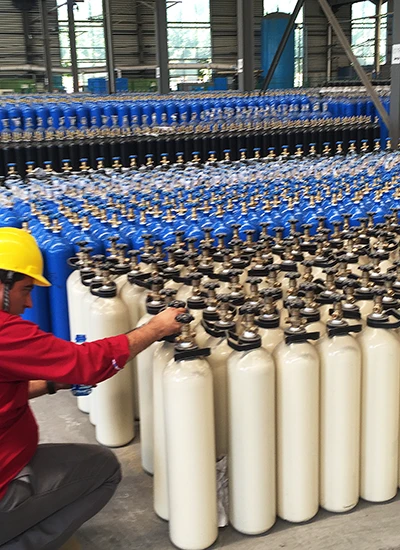
Standard industrial gas cylinders are among the most widely used seamless steel cylinder configurations. They typically feature a cylindrical body, rounded shoulder, valve neck and a stable base or supporting ring, depending on the design.
These cylinders are commonly used for oxygen, nitrogen, argon, hydrogen, helium and other industrial gases. Their dimensions and pressure specifications vary according to the applicable manufacturing standard and customer requirements.
2.2 High-Capacity Seamless Steel Cylinders
High-capacity seamless steel cylinders provide greater gas storage capacity than conventional portable cylinders. They are selected for applications requiring larger gas volumes while maintaining a cylinder-based storage and transportation system.
Depending on the design, these cylinders may be installed individually or incorporated into cylinder bundles and gas distribution systems. Their dimensions, wall thickness, material properties and pressure ratings must comply with the relevant design and testing requirements.
2.3 Long-Tube and Large-Volume Gas Cylinders
Large-volume seamless steel tubes are designed for applications requiring substantial quantities of compressed gas. They generally have larger dimensions and water capacities than conventional portable cylinders.
These products can be used in industrial gas storage installations, tube trailers and other high-volume gas transportation systems. Their design, manufacturing and testing requirements depend on the applicable cylinder or tube standard and transportation regulations.
Not all large-volume pressure vessels are classified as conventional gas cylinders. The applicable product category and standard should be confirmed according to their design and intended use.
3. Types of Seamless Steel Cylinders by Manufacturing Standard
Manufacturing standards define the requirements for materials, cylinder design, production processes, heat treatment, inspection and testing. ISO 9809 is an important international standard series covering refillable seamless steel gas cylinders and tubes.
The ISO 9809 series includes three main parts that distinguish cylinders according to their heat treatment and mechanical properties.
| Standard | Cylinder classification | Main distinction |
|---|---|---|
| ISO 9809-1:2019 | Quenched and tempered steel cylinders | Maximum actual tensile strength below 1,100 MPa. |
| ISO 9809-2:2019 | Quenched and tempered steel cylinders | Actual tensile strength equal to or greater than 1,100 MPa, subject to the standard’s limits. |
| ISO 9809-3:2019 | Normalized steel cylinders | Normalized or normalized and tempered steel construction. |
3.1 ISO 9809-1 Seamless Steel Cylinders
ISO 9809-1 covers quenched and tempered seamless steel cylinders and tubes with an actual tensile strength below 1,100 MPa. The standard specifies requirements for materials, design, construction, manufacturing, examination and testing.
It is used for cylinder designs where the specified material properties and manufacturing processes meet the requirements of this standard.
3.2 ISO 9809-2 Seamless Steel Cylinders
ISO 9809-2 applies to quenched and tempered seamless steel cylinders and tubes with an actual tensile strength equal to or greater than 1,100 MPa, within the limits specified in the standard.
It addresses the additional material and manufacturing requirements associated with this higher tensile-strength classification.
3.3 ISO 9809-3 Seamless Steel Cylinders
ISO 9809-3 covers seamless steel cylinders and tubes manufactured using normalized or normalized and tempered steel. It specifies requirements for material selection, design, manufacturing, inspection and testing.
The selection between these ISO classifications depends on the cylinder design, steel properties, intended service and applicable certification requirements.
Other national and regional standards may also apply. For example, GB 5099 is associated with Chinese seamless steel gas cylinder requirements. The applicable edition and regulatory requirements should always be verified for the target market.
4. Types of Seamless Steel Gas Cylinders by Working Pressure
Working pressure is an important parameter when selecting a seamless steel gas cylinder. It indicates the designated pressure under specified reference conditions and should not be confused with test pressure or burst pressure.
Common pressure configurations in the industrial gas cylinder market include:
- 150 bar cylinders: Used in certain conventional industrial gas storage and distribution applications.
- 200 bar cylinders: Commonly used for industrial oxygen, nitrogen, argon and other compressed gases.
- 250 bar cylinders: Available for applications requiring higher pressure configurations where the cylinder design and approval permit.
- 300 bar cylinders: Used in selected high-pressure gas storage applications with compatible cylinder and valve specifications.
These are examples of market pressure configurations, not universal ratings for every cylinder size or gas. The actual working pressure, test pressure and permitted gas service must be confirmed from the cylinder marking, design approval and applicable regulations.
Working Pressure vs. Test Pressure
Working pressure is the designated pressure at the specified reference temperature. Test pressure is the pressure applied during the prescribed pressure test to verify the cylinder’s integrity.
These values are determined by the applicable design standard and should not be treated as interchangeable. Cylinder selection must always follow the approved specifications rather than relying on pressure values alone.
5. Types of Seamless Steel Gas Cylinders by Water Capacity and Size
Water capacity refers to the internal volume of a gas cylinder when filled with water. It is commonly expressed in liters and provides a standardized basis for comparing cylinder sizes.
Seamless steel gas cylinders are manufactured in various capacities to accommodate different gas consumption levels, storage requirements and transportation conditions.
| Typical water capacity | Typical application | Selection considerations |
|---|---|---|
| 10L–20L | Portable and specialty gas applications | Compact dimensions and handling requirements. |
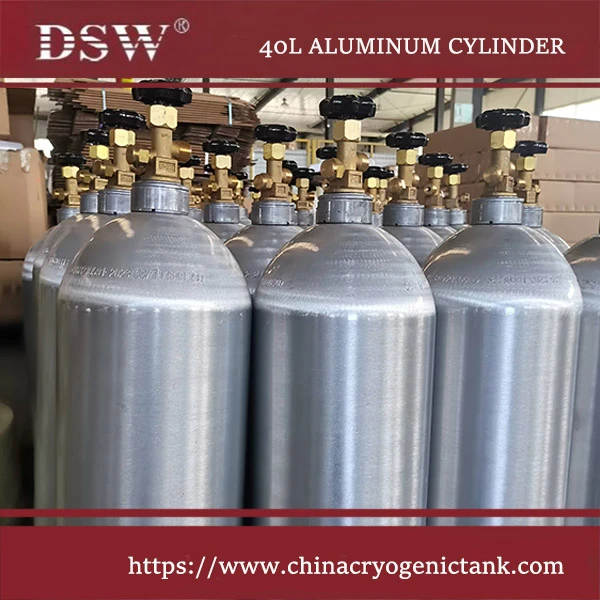
| 40L | Industrial and medical gas distribution | Gas consumption, pressure and filling requirements. |
| 47L–50L | Industrial gas storage and transportation | Storage capacity and cylinder handling systems. |
| 68L–80L | Larger-volume industrial gas applications | Available space, weight and transportation conditions. |
The capacities listed above are representative market sizes rather than a complete standardized product range. Actual availability, dimensions, wall thickness and pressure ratings depend on the manufacturer and approved cylinder design.
For applications requiring higher gas volumes, multiple cylinders can also be connected through a manifold to form a cylinder bundle.
6. Types of Seamless Steel Cylinders by Gas Application
Seamless steel cylinders are used for different gases across industrial, medical, laboratory and specialty gas sectors. The cylinder material, internal surface condition, valve configuration and pressure rating must be suitable for the specific gas service.
6.1 Oxygen Gas Cylinders
Seamless steel oxygen cylinders are used in industrial gas distribution, metal fabrication, healthcare and other applications requiring compressed oxygen.
Medical oxygen cylinders require suitable materials, internal cleanliness, gas-compatible valves and compliance with the relevant medical gas and cylinder regulations. Oxygen service also requires strict control of oil, grease and other combustible contamination.
6.2 Nitrogen Gas Cylinders
Nitrogen cylinders are commonly used in industrial manufacturing, laboratory operations, equipment purging, pressure testing and inerting applications. Different cylinder capacities and pressure configurations can be selected according to nitrogen consumption and delivery requirements.
6.3 Argon Gas Cylinders
Argon cylinders are widely used in TIG welding, MIG welding, metal fabrication and controlled-atmosphere processes. High-purity argon applications require suitable cylinder cleanliness and compatible valve connections to maintain gas quality.
6.4 Hydrogen Gas Cylinders
Hydrogen cylinders are used in chemical processing, laboratories, electronics manufacturing, energy research and other specialized applications. Hydrogen service requires careful consideration of material compatibility, pressure, valve design and hydrogen-related material degradation risks.
6.5 Helium Gas Cylinders
Helium cylinders are used for leak detection, laboratory analysis, industrial testing, scientific research and specialty gas supply. The required gas purity, filling pressure and valve configuration should be considered when selecting a cylinder.
6.6 Carbon Dioxide Gas Cylinders
Carbon dioxide cylinders are used in beverage production, food processing, welding, fire protection systems and industrial processes. Since carbon dioxide may be stored as a liquefied gas under pressure, cylinder filling ratios, temperature conditions and approved service requirements are especially important.
7. Manufacturing Process of Seamless Steel Gas Cylinders
The manufacturing process plays an essential role in the mechanical strength, dimensional accuracy and pressure performance of seamless steel gas cylinders. Production procedures vary according to cylinder design, material and applicable manufacturing standard.
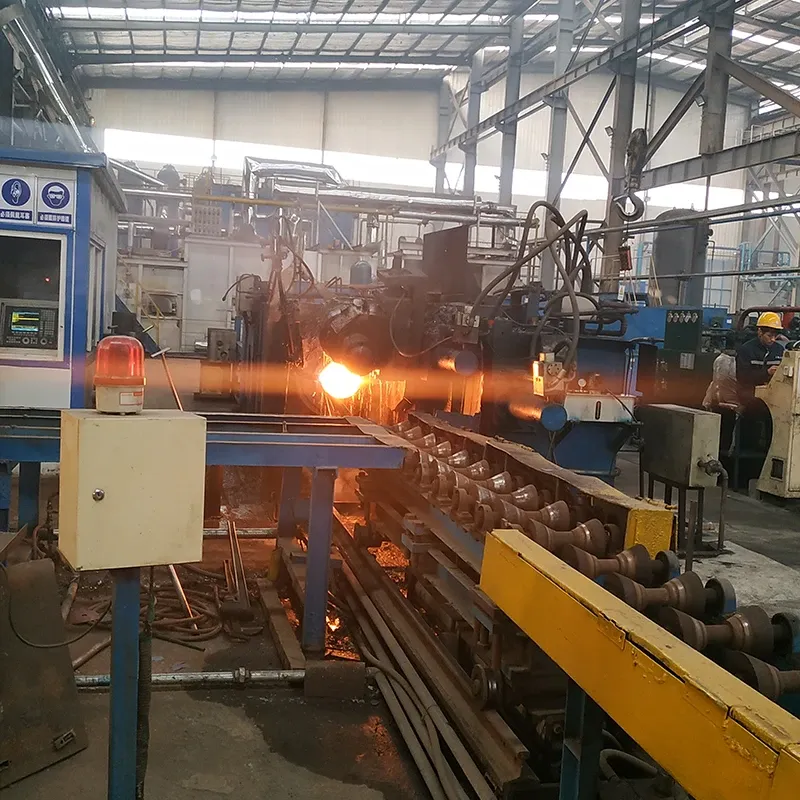
Typical manufacturing operations may include the following stages:
- Steel billet or tube preparation: Suitable steel materials are selected and prepared according to the approved cylinder design.
- Hot forming: The steel material is heated and formed into the required cylindrical body through an appropriate seamless manufacturing process.
- Bottom and shoulder forming: The cylinder ends are formed to achieve the specified geometry and wall-thickness distribution.
- Heat treatment: Normalizing, quenching and tempering or other specified treatments are performed according to the cylinder design and applicable standard.
- Machining and neck finishing: The cylinder neck and valve connection are processed to the required dimensions.
- Inspection and testing: Dimensional checks, material verification, non-destructive examination and prescribed pressure testing are carried out as required.
- Surface treatment and marking: Cylinders receive the specified surface finish, coating, identification markings and inspection information.
Manufacturing quality depends on material traceability, process control, heat-treatment consistency and compliance with the approved design. Each production stage must be controlled according to the relevant standard and quality requirements.
8. How to Choose the Right Seamless Steel Gas Cylinder
Selecting a suitable seamless steel gas cylinder involves more than choosing a capacity or pressure rating. Buyers should evaluate the gas service, technical specifications, regulatory requirements and intended operating conditions.
8.1 Confirm Gas Compatibility
Identify the gas to be stored and verify that the cylinder material, internal surface, valve and sealing components are suitable for that gas. Special attention is required for oxygen, hydrogen, corrosive gases and high-purity applications.
8.2 Select the Appropriate Working Pressure
Determine the required filling and operating pressure. Confirm that the cylinder’s approved working pressure and test pressure meet the applicable technical and regulatory requirements.
8.3 Determine Water Capacity and Dimensions
Choose the appropriate cylinder capacity based on gas consumption, storage volume, transportation limitations and available installation space. Overall dimensions and cylinder weight should also be considered.
8.4 Verify Applicable Standards and Certification
Confirm the destination market’s requirements, including the applicable ISO, EN, GB, DOT or other recognized regulatory specifications. Certification and approval requirements depend on the intended market and cylinder application.
8.5 Check Valve and Connection Requirements
Valve connections, outlet threads and gas-specific fittings must be compatible with the intended gas service and local filling equipment. Different countries may use different connection standards.
8.6 Consider Inspection and Service Requirements
Check the applicable periodic inspection, retesting, maintenance and service-life requirements. Cylinders should only be filled, transported and used in accordance with their approved specifications and relevant regulations.
9. Seamless Steel Gas Cylinders from DSW Industry
DSW Industry provides gas cylinder products and industrial gas storage equipment for international customers. Its product range includes seamless steel cylinders designed for different industrial gas applications, with configurations selected according to gas type, capacity, working pressure and applicable standards.
For buyers seeking industrial or specialty gas cylinders, the appropriate configuration can be evaluated according to the intended application and destination market requirements.
When requesting a quotation, customers are encouraged to provide the following information:
- Gas type and intended application
- Required water capacity or gas filling capacity
- Working pressure and applicable test pressure
- Preferred manufacturing standard
- Valve connection and outlet requirements
- Destination country and certification requirements
- Required quantity and any OEM specifications
Explore our seamless steel gas cylinder product range for available configurations and product specifications.
Looking for Seamless Steel Gas Cylinders?
Contact DSW Industry to discuss your requirements for industrial and specialty gas cylinders. Our team can help evaluate suitable capacities, pressure configurations, manufacturing standards and customized specifications for your market.

No comment