

What we do in real world …
Complete Solutions We Offer
DSW provides cryogenic and industrial gas solutions for the storage, supply, transportation and handling of liquefied and compressed gases.
Our solutions combine cryogenic tanks, gas supply systems, transportation equipment
and supporting components for different industrial requirements.
Explore the solution areas below to find the appropriate system for your application.
Contact or join us
Cryogenic Storage Solutions
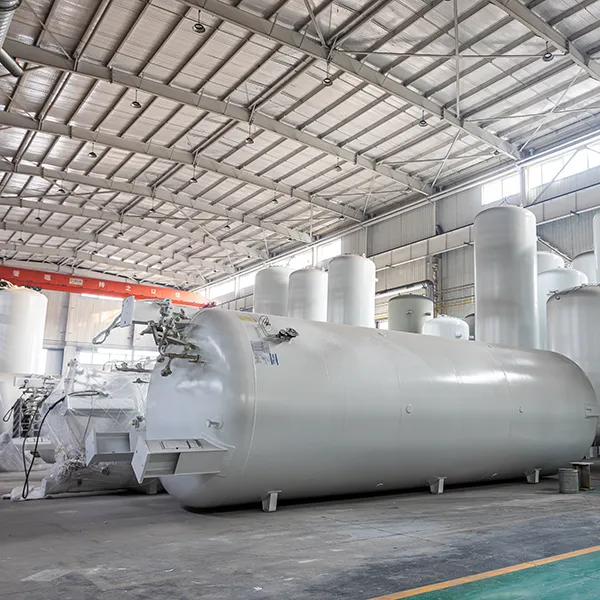
DSW industry designs and engineers vacuum-insulated cryogenic tanks to
store LOX, LIN, LAr, LCO₂, and LNG safely and efficiently. These cryogenic tanks deliver industrial-scale performance with
flexible configurations, minimized boil-off, standards compliance, and high-capacity operation.
Industrial Gas Supply Systems
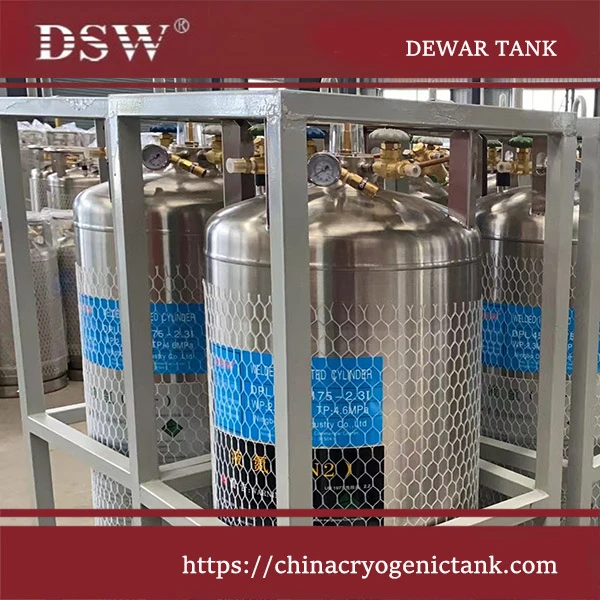
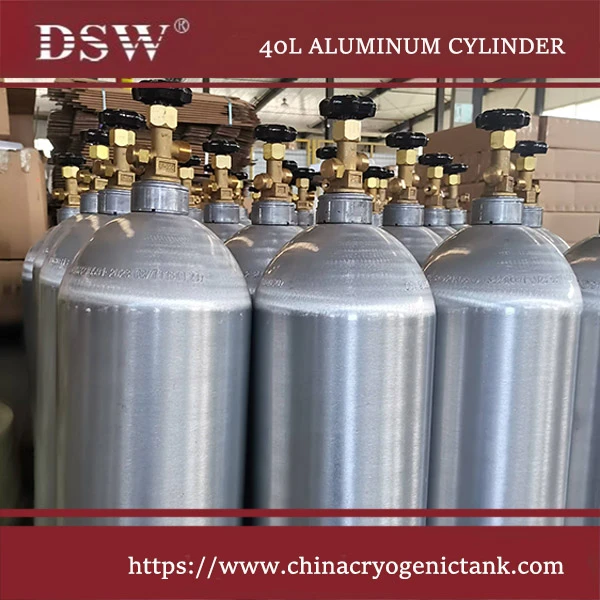
Gas supply solutions for industrial facilities using cylinders, bulk liquid gases, microbulk systems or on-site gas generation, selected according to gas type, purity, consumption and operating requirements.
LNG Storage Systems
Storage and handling solutions for liquefied natural gas, including LNG storage tanks, associated equipment and systems for industrial and energy applications.
Explore LNG Storage Systems →
Cryogenic Transportation Solutions
Equipment and systems for the transportation of liquefied gases, including cryogenic transport tanks, ISO tank containers and specialized cryogenic trailers.
Cryogenic Equipment
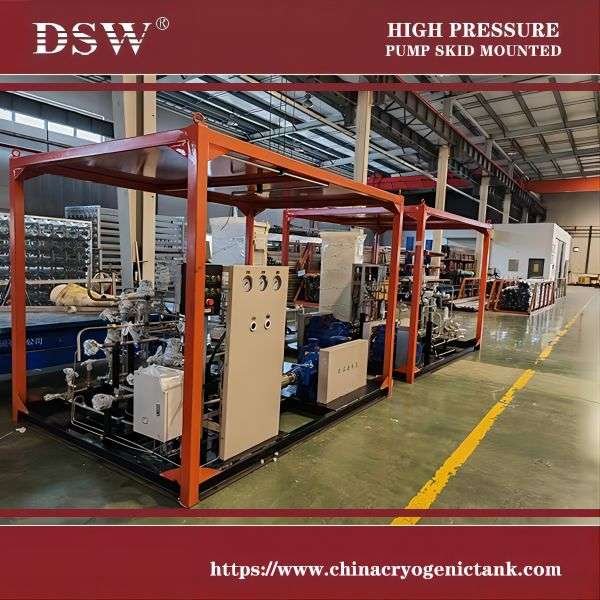
Supporting equipment for cryogenic gas storage and supply systems, including vaporizers, pumps, pressure-control equipment and related components.
Ensuring stable gas supply
Solutions by Application
Our cryogenic and industrial gas systems can be configured for different applications, including healthcare, industrial manufacturing, food and beverage, electronics, chemical processing, energy and other gas-intensive operations.
- Steel and metallurgical
- Automotive manufacturing
- Chemical and Petrochemical
- Energy and LNG Systems
- Electronics & Semiconductor
- Medical and Healthcare
How to Select a Gas Supply Solution
The appropriate gas supply solution depends on more than the gas name. Before selecting equipment, consider the following factors:
| Factor | Why It Matters |
|---|---|
| Gas Type | Determines suitable storage materials, equipment, and supply method. |
| Gas Purity | Affects the gas source, equipment materials, and system configuration. |
| Consumption | Helps determine whether cylinders, bundles, dewars, microbulk, bulk storage, or on-site generation is appropriate. |
| Storage Capacity | Determines the required vessel or container size and delivery frequency. |
| Operating Pressure | Affects valves, regulators, piping, and downstream equipment. |
| Site Conditions | Available space, installation conditions, and access can influence system design. |
| Delivery Requirements | Delivery frequency and transportation method affect the required storage capacity. |
| Applicable Standards | Equipment and installation requirements depend on the application and destination market. |
Integrated Cryogenic & Gas Supply Solutions
For larger installations, individual equipment items may need to operate as an integrated system. A typical solution can combine gas storage, pressure control, vaporization, gas distribution and supporting equipment.
For example, a bulk liquid nitrogen system may include a cryogenic storage tank, vaporizer, pressure-control equipment and downstream pipeline. A cylinder-based system may use cylinder bundles, manifolds, regulators and distribution piping.
The appropriate configuration depends on the gas, consumption, pressure, purity, storage requirements and operating environment.
Why Work With DSW
DSW supplies cryogenic tanks, gas cylinders and related equipment for industrial gas storage, supply and transportation applications. Our capabilities cover equipment selection, manufacturing, customization and system-oriented solutions for different gas requirements.
- Cryogenic storage tank manufacturing
- Gas cylinder and cylinder bundle solutions
- Cryogenic dewar solutions
- Gas supply system equipment
- Cryogenic transportation equipment
- OEM and customized configurations
- Testing and quality inspection
- International industrial gas applications
Reliable Global Supplier of
Industrial Gas Solutions
Compressed Gas Cylinder Systems | Cryogenic Bulk Storage Solutions | Transportable Tank Systems
Find the Right Gas & Cryogenic Solution
DSW Innovations: Cryogenic Systems
Whether you need a cylinder bundle, dewar system, microbulk installation, bulk cryogenic storage system or complete industrial gas supply configuration, the solution should be selected according to your gas type, consumption, pressure, purity and site requirements.
Contact DSW with your gas type, required capacity, consumption and application. Our team can help identify the appropriate equipment and system configuration.
TECHNICAL FAQs
About Cryogenic Storage and Transport
Cryogenic storage capacity is calculated based on gas consumption rate (Nm3/h), peak demand, required reserve margin, and refill frequency. The liquid-to-gas expansion ratio (e.g. 1:700 for nitrogen) is used to convert gaseous demand into liquid storage volume. Engineers also consider boil-off rate (BOR), operating pressure, and supply logistics to optimise tank sizing.
Boil-off rate is influenced by insulation performance, vacuum level, ambient temperature, tank design, and surface area-to-volume ratio. Double-wall vacuum insulation with perlite or multilayer insulation significantly reduces heat ingress. Proper maintenance of vacuum integrity is critical to maintaining a low BOR and improving storage efficiency.
Vacuum insulation is maintained by evacuating the annular space between the inner and outer vessel to a high vacuum level, typically combined with insulating materials such as perlite or multilayer insulation. Getters or adsorbents may be used to absorb residual gases. Periodic vacuum checks and pressure monitoring ensure long-term insulation performance.
Cryogenic storage tanks are stationary systems designed for on-site gas storage and continuous supply, while ISO tank containers are designed for transportation of cryogenic liquids. ISO tanks comply with international transport standards (ISO 1496/3, UN T75) and are structurally reinforced for multimodal logistics including road, rail, and marine transport.
Cryogenic systems are designed according to international standards such as ASME Boiler and Pressure Vessel Code (Section VIII), PED (Pressure Equipment Directive), ISO standards, EN codes, and UN transport regulations (e.g. UN T75 for cryogenic tanks). Compliance ensures safety, reliability, and global operability.
LNG storage requires additional safety considerations due to its flammability. Systems must include gas detection, emergency shutdown systems (ESD), and enhanced safety controls. LNG is typically stored at approximately -162°C and requires specialised materials, insulation, and transport regulations compared to inert gases like nitrogen or argon.
Join DSW Today, Discover
Industrial Gas Solutions.
Feel free to contact us to request a quotation.