
Integrated Cryogenic Storage Solutions
Cryogenic tank solutions are selected according to the gas being stored, required capacity, working pressure, site conditions and applicable design standards. A complete installation may include a storage tank, pressure-building equipment, vaporizers, valves, instrumentation, piping and a gas delivery system.
Whether your project requires a stationary storage vessel, a smaller on-site supply system or equipment for transporting liquefied gas, start by matching the equipment configuration to the intended service.
Explore Cryogenic Tank Products
Compare common cryogenic storage and transportation equipment for industrial gas applications. Actual specifications depend on the selected model and project requirements.
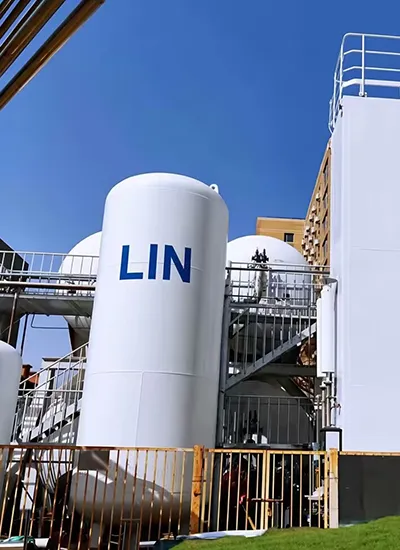
Liquid Nitrogen Cryogenic Tank
DSW Industry offers liquid nitrogen cryogenic tank solutions for reliable LN₂ storage and distribution.
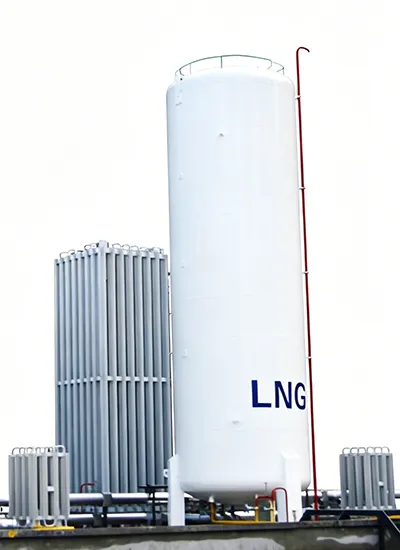
Vacuum-insulated LNG Cryogenic Tank
DSW Industry manufactures LNG cryogenic storage tanks and solutions for reliable liquefied natural gas storage and distribution.
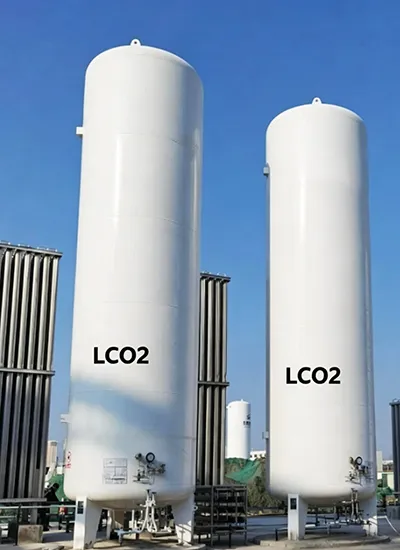
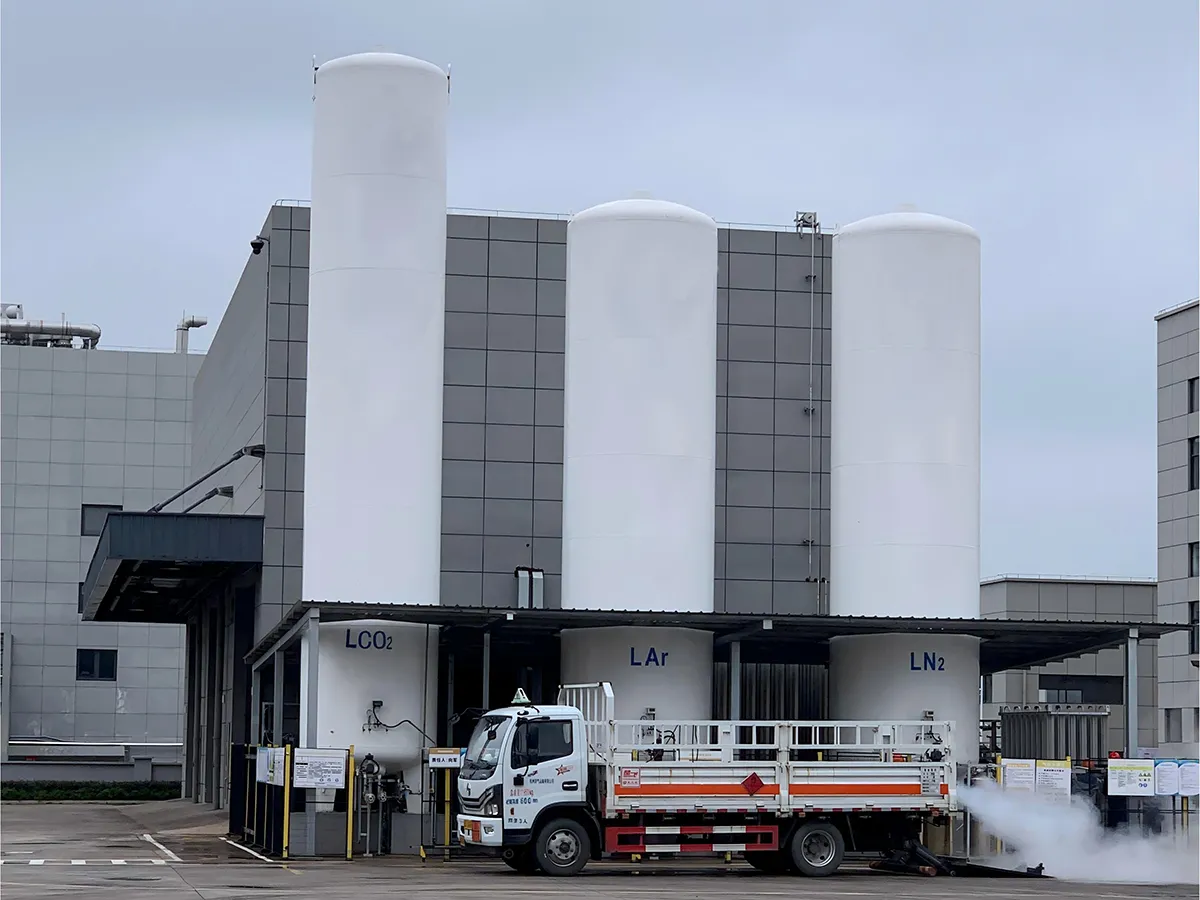
LCO2 Cryogenic Bulk Tank
DSW Industry manufactures vacuum-insulated liquid oxygen (LOX/LO₂) cryogenic storage tanks for bulk oxygen storage, industrial gas supply.
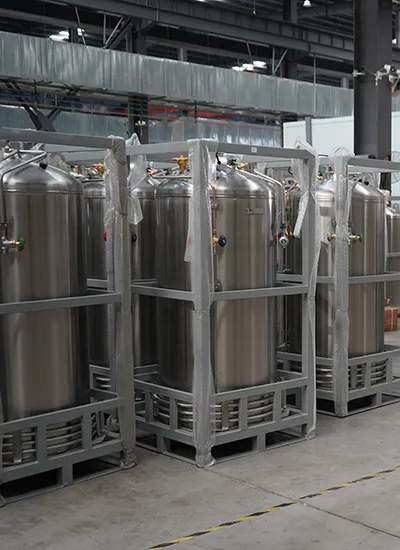
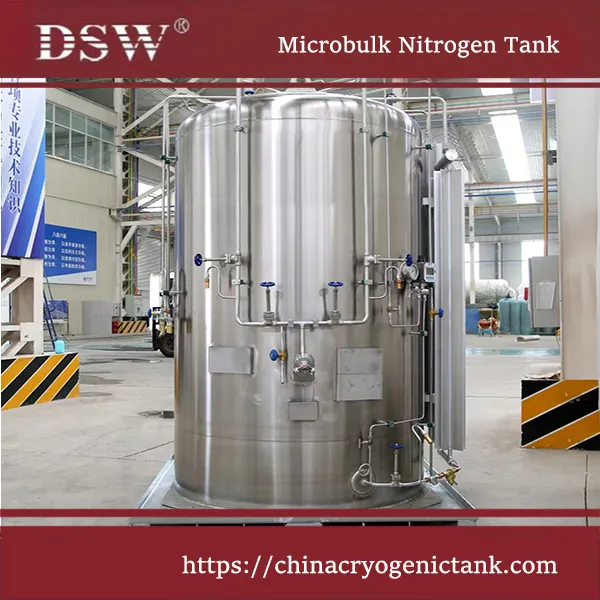
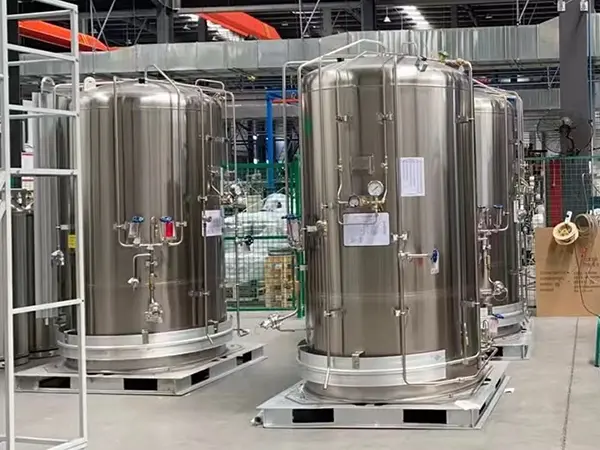
Vacuum-insulated Microbulk System
DSW Industry offers microbulk systems for reliable on-site industrial gas storage and supply.
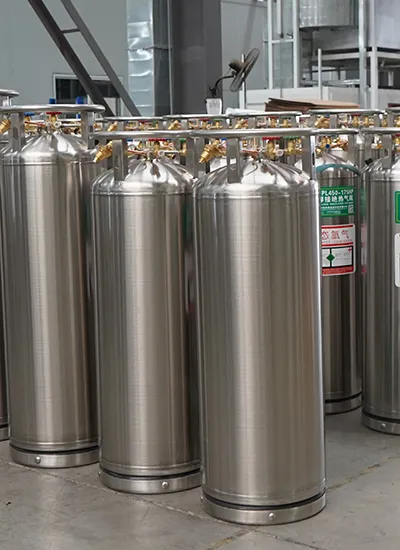
Vertical Cryogenic Tanks
Space-efficient storage for liquefied gases, designed for installations where ground space is limited.
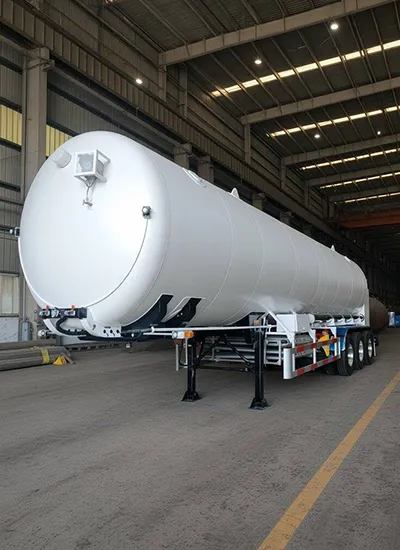
Horizontal Cryogenic Tanks
Storage options for sites that require horizontal vessel configurations and practical equipment access.
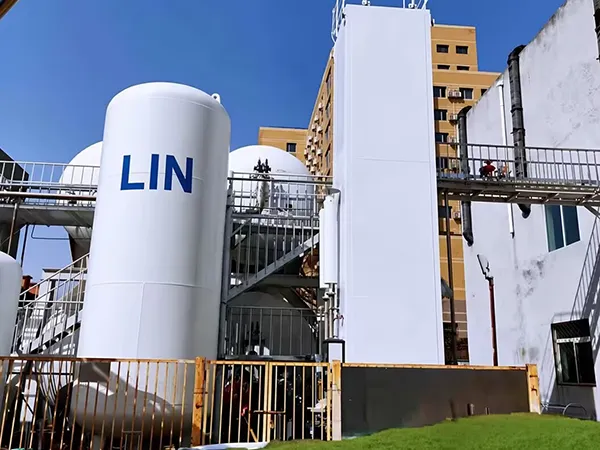
LIN Cryogenic Tanks
Insulated storage systems for nitrogen supply in industrial processing, laboratories and other applications.
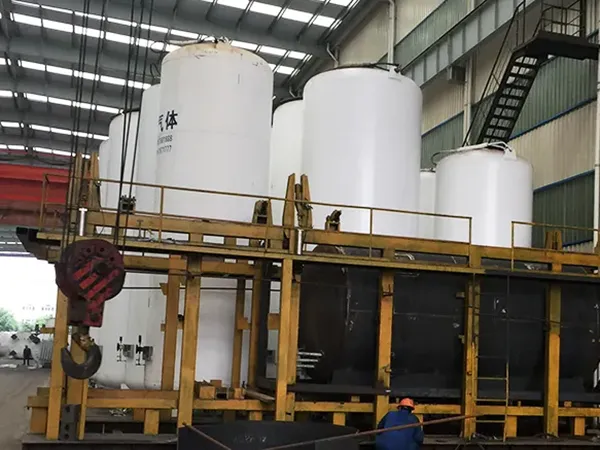
LOX Cryogenic Tanks
Cryogenic oxygen storage for industrial and medical supply systems, subject to applicable oxygen-service requirements..
LAr Cryogenic Tanks
Storage solutions for argon used in metal fabrication, industrial processes and specialty gas supply.
LCO2 Cryogenic Tanks
Storage equipment for liquid carbon dioxide, selected according to required pressure, temperature and capacity..
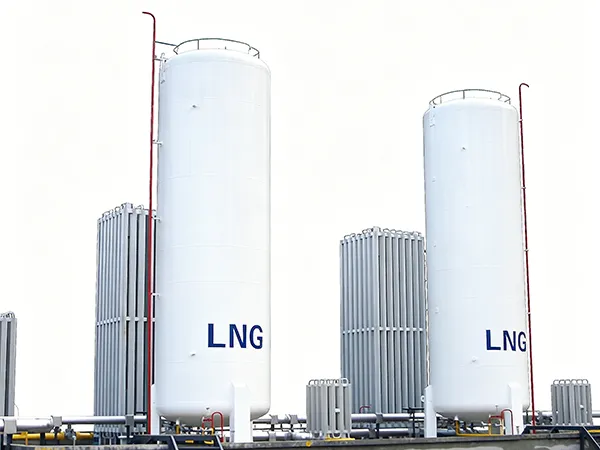
LNG Storage Tanks
Insulated storage systems for liquefied natural gas, designed around project capacity and operating conditions.
MicroBulk Systems
Compact bulk gas storage and supply systems for users seeking an alternative to frequent cylinder replacement.
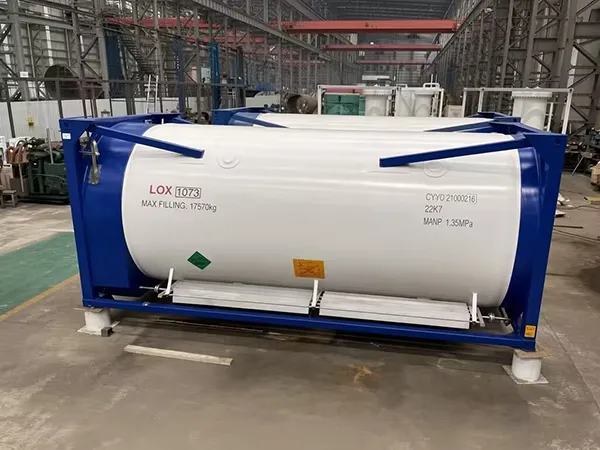
Cryogenic ISO Tanks
Intermodal tank containers for transporting compatible cryogenic liquids in international logistics operations.
Cryogenic Tank Applications
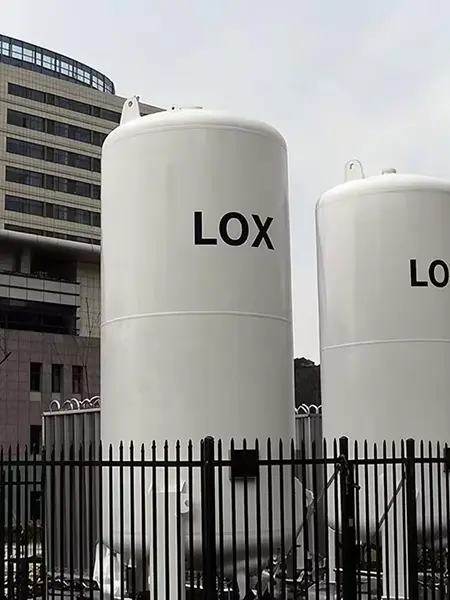
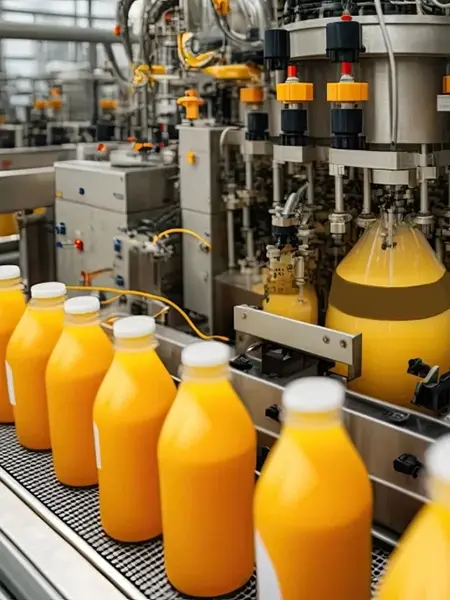
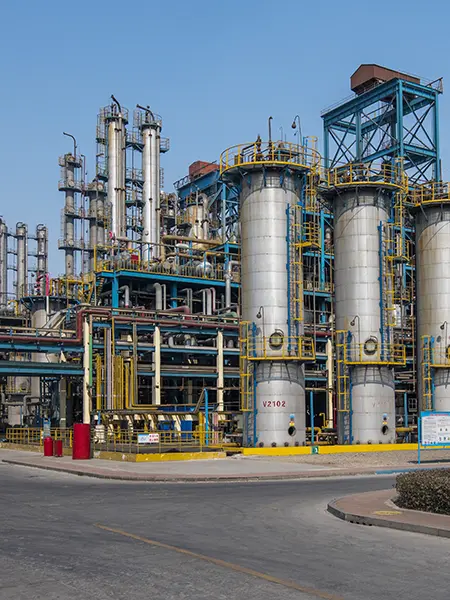
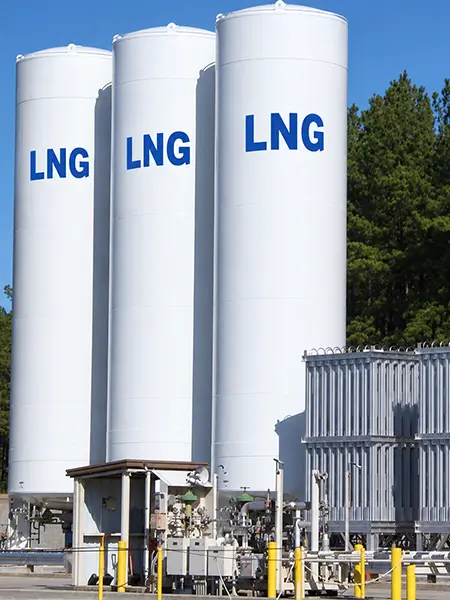
The right solution depends on the gas, consumption pattern, supply pressure, storage capacity and downstream equipment. These are common application areas for cryogenic storage systems.
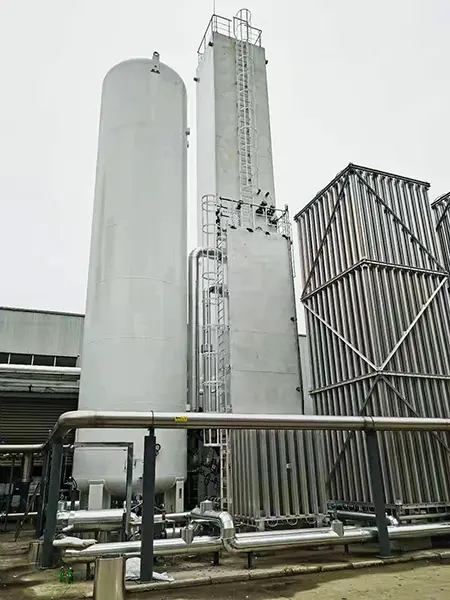
How to Select the Right Cryogenic Tank
Define the operating requirements before comparing tank configurations. A correctly specified system should reflect both the storage duty and the downstream gas supply requirements.
| Selection Factor | What to Confirm |
|---|---|
| Gas or product | Gas composition, purity, compatibility and intended service. |
| Storage capacity | Required usable inventory, consumption rate and delivery frequency. |
| Operating conditions | Design pressure, operating pressure, temperature and required flow. |
| Installation | Available space, foundation, access, ambient conditions and site layout. |
| Applicable standards | Project jurisdiction, required codes, inspections and conformity documentation. |
| Supply equipment | Vaporizers, pressure-building circuits, valves, instrumentation and downstream piping. |
Need Help With Equipment Selection?
Send your gas type, required capacity, working pressure, application, destination country and applicable standards. These details help establish the appropriate equipment configuration for your project.
Integrated Cryogenic Gas Supply Systems
A cryogenic storage tank is often one component of a complete gas supply installation. Depending on the gas and application, the system may incorporate the equipment shown here.
Holds liquefied gas under its specified operating conditions.
Helps maintain tank pressure where required by the system design.
Convert liquid gas into gaseous form at the required flow and conditions.
Support isolation, monitoring and system control.
Delivers gas to downstream equipment or process users.
Coordinates components with gas properties, flow demand and site needs.
Component selection and system design should be confirmed against the gas properties, required flow, operating conditions and applicable engineering standards.
Manufacturing, Inspection & Technical Documentation
For industrial procurement, evaluate the proposed equipment against the project specification rather than capacity alone. Confirm the applicable design code, materials, inspection requirements and documentation for the specific model and destination market.
Available documentation and certifications depend on the equipment type, manufacturing specification and destination requirements. Confirm these details before placing an order.
Items to Confirm Before Ordering
- Technical specifications and general arrangement drawings.
- Design pressure, operating conditions and rated capacity.
- Applicable design standards and conformity documents.
- Inspection and pressure-test records where required.
- Valve, instrumentation and accessory details.
- Installation, operation and maintenance documentation.
TECHNICAL FAQs
About cryogenic tank selection, storage systems, and project specifications
Cryogenic tank solutions include storage vessels and related equipment designed for the storage, handling or supply of cryogenic liquids. Depending on the application, a solution may also include vaporizers, valves, instrumentation and piping.
Depending on the tank design and service specification, cryogenic systems may be used for liquid nitrogen, oxygen, argon, LNG and other compatible liquefied gases. Carbon dioxide storage may require a different pressure and temperature configuration. Always confirm gas compatibility with the supplier.
Capacity selection should consider average and peak consumption, required reserve inventory, delivery frequency, usable capacity and operating conditions. A supplier or qualified engineer can help evaluate the appropriate capacity for the project.
A stationary cryogenic tank is intended primarily for storage at an installation. A cryogenic ISO tank container is designed for compatible transport and intermodal handling. Their design, operating requirements and applicable transport regulations differ.
Depending on the project scope, a system may include a storage tank, vaporizer, pressure-building equipment, valves, instrumentation and associated piping. Confirm the supply boundary and required accessories during quotation.
Provide the gas type, required capacity, operating and design pressure, required flow, application, installation location, destination country and applicable standards. Drawings or project specifications can help clarify the requirements.
Find the Right Cryogenic Tank Solution
Tell us about your gas storage or supply project. Share the gas type, capacity, operating conditions and application so the appropriate equipment options can be evaluated.