
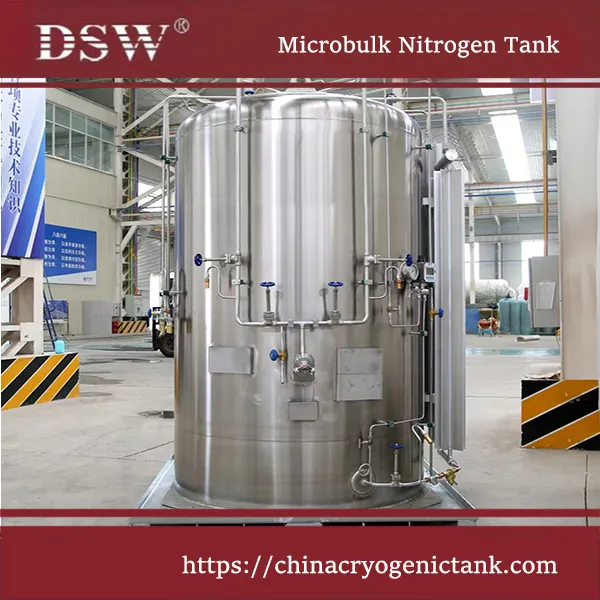
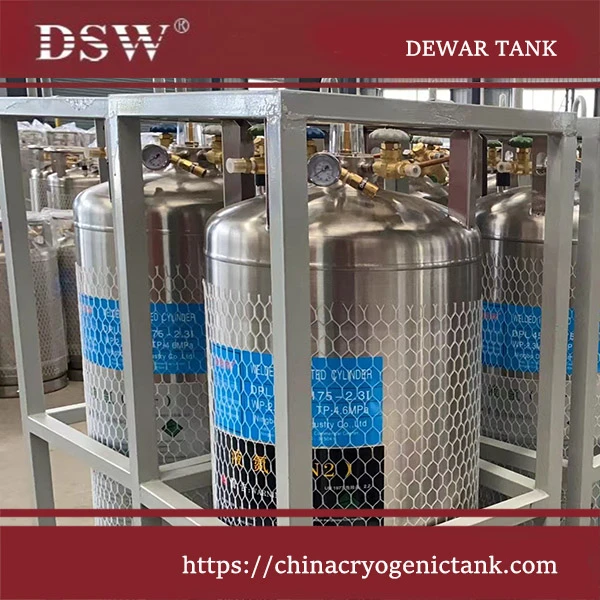
DSW Industry provides engineered LNG storage solutions for industrial facilities, energy projects, decentralized gas supply networks and applications requiring reliable liquefied natural gas storage and delivery. As part of our broader cryogenic storage solutions, our LNG systems integrate cryogenic storage tanks, LNG tank skids, pressure-control equipment, vaporizers, piping systems and associated safety components.
From individual LNG storage tanks to integrated LNG storage and regasification systems, DSW develops equipment configurations according to required storage capacity, gas consumption, operating pressure, installation conditions and project specifications. We support customers seeking practical LNG infrastructure for industrial fuel supply, distributed energy applications and other natural gas requirements.
LNG Storage and Supply System Solutions
An LNG storage solution involves more than the storage vessel itself. It connects LNG unloading, cryogenic storage, liquid transfer, pressure management, regasification and downstream gas supply into an integrated operating system.
DSW supplies cryogenic storage equipment and configurable system components to meet different project requirements. Depending on the application, an LNG storage system may include:
- LNG Storage Tanks: Vacuum-insulated cryogenic tanks designed to store liquefied natural gas at extremely low temperatures.
- LNG Tank Skids: Integrated equipment platforms incorporating selected LNG handling, transfer and control components.
- Cryogenic Pumps: Equipment for transferring LNG between storage vessels and downstream process equipment where required.
- LNG Vaporizers: Equipment that converts liquid natural gas into gaseous natural gas for fuel or process applications.
- Pressure Control Equipment: Pressure regulators, valves and associated components for managing system operating conditions.
- Instrumentation and Safety Devices: Level, pressure and temperature monitoring, pressure relief and project-specific safety controls.
- Piping and Distribution Equipment: Connections and downstream piping designed around the required gas flow and delivery conditions.
The final configuration depends on the LNG application, required flow rate, storage capacity, operating pressure and applicable engineering standards.
Types of LNG Storage Solutions
1. Stationary LNG Storage Systems
Stationary LNG storage systems provide on-site storage for facilities that require a regular supply of liquefied natural gas. They typically use insulated cryogenic tanks installed at designated locations and connected to LNG unloading, withdrawal and downstream gas supply equipment.
Depending on project requirements, the storage arrangement can incorporate vertical or horizontal LNG tanks, transfer equipment, pressure-control systems and vaporizers. Tank capacity, installation layout and equipment configuration are determined by gas consumption, delivery frequency and available site space.
These systems are suitable for industrial facilities, energy infrastructure, satellite LNG stations and other applications requiring bulk LNG storage.
2. LNG Tank Skid Systems
LNG tank skid systems combine selected LNG storage and handling equipment on an integrated skid-mounted platform. They provide a practical configuration for projects requiring coordinated equipment installation, piping connections and control arrangements.
Depending on the application, an LNG tank skid can incorporate:
- LNG storage tank or connection to an external LNG storage vessel
- LNG transfer pumps and associated piping
- Pressure regulation and control valves
- LNG vaporization equipment where required
- Instrumentation and monitoring devices
- Safety valves and emergency shutdown components
Skid-mounted configurations can simplify equipment arrangement, transportation planning and on-site installation. The exact scope depends on whether the project requires a storage skid, an LNG transfer skid or an integrated storage and gas supply package.
DSW develops LNG skid equipment configurations according to project capacity, operating conditions, installation requirements and customer specifications.
3. LNG Storage and Regasification Systems
LNG storage and regasification systems are designed to store liquefied natural gas and convert it into gaseous natural gas when required. These systems are commonly used where pipeline natural gas is unavailable or where an alternative fuel supply arrangement is needed.
A typical system consists of an LNG storage tank, liquid withdrawal equipment, a vaporizer, pressure-regulation components and downstream gas distribution piping.
The vaporizer converts LNG into natural gas through controlled heat transfer. Depending on the application, ambient air vaporizers, water-bath vaporizers or other suitable vaporization technologies can be considered.
System sizing should account for the required gas flow rate, inlet and outlet pressure, ambient conditions, operating schedule and downstream consumption.
4. Modular and Small-Scale LNG Storage Systems
Modular LNG storage systems are suitable for projects requiring flexible equipment arrangements, decentralized gas supply or phased installation. They can combine LNG storage vessels with transfer, vaporization and pressure-control equipment according to the intended operating capacity.
Compared with larger centralized LNG facilities, modular configurations can provide greater flexibility in equipment layout and project development. Their suitability depends on LNG demand, transportation logistics, available installation space and the required supply capacity.
These systems can support remote industrial facilities, distributed energy projects and smaller-scale LNG infrastructure.
LNG Storage Tank Options
The LNG storage tank is the primary component of an LNG storage system. Its design must account for cryogenic temperature, operating pressure, thermal insulation, structural loading and the specific requirements of the installation.
DSW supplies LNG cryogenic storage tanks in different configurations to accommodate project-specific storage requirements.
| Tank Configuration | Main Characteristics | Typical Applications |
|---|---|---|
| Vertical LNG Tank | Vertical installation with a relatively compact ground footprint. | Industrial LNG storage and gas supply installations. |
| Horizontal LNG Tank | Horizontal vessel arrangement with a lower installation profile. | Industrial sites and installations with specific height or layout restrictions. |
| LNG Tank Skid | Integrated skid-mounted storage and handling equipment. | Modular LNG supply and decentralized applications. |
| LNG ISO Tank Container | Transport-oriented cryogenic tank container. | LNG transportation and temporary or decentralized storage. |
The appropriate tank configuration depends on storage volume, working pressure, filling and withdrawal requirements, installation conditions, transportation considerations and applicable design codes.
For a broader comparison of vertical, horizontal, stationary and transportable vessel configurations, see our guide to cryogenic tank types.
Key Equipment in an LNG Storage System
A reliable LNG storage installation requires compatible equipment working together to maintain suitable operating conditions and deliver natural gas according to the downstream demand.
LNG Storage Tanks
LNG storage tanks use specialized cryogenic construction and insulation to minimize heat transfer and maintain liquefied natural gas at the required storage conditions. LNG is normally stored at approximately -162°C at atmospheric pressure. Tank design must account for thermal contraction, material properties, insulation performance and pressure management.
LNG Pumps and Transfer Equipment
Cryogenic pumps and associated transfer equipment move LNG between storage vessels and downstream equipment. Pump selection depends on the required flow rate, differential pressure, liquid conditions and system arrangement.
LNG Vaporizers
Vaporizers convert stored LNG into gaseous natural gas for industrial fuel supply and other applications. The appropriate vaporizer type and capacity depend on gas demand, operating pressure, ambient conditions and required outlet temperature.
Pressure Regulation and Safety Equipment
Pressure-control components regulate gas delivery conditions, while pressure relief devices, gas detection, emergency shutdown systems and other protective equipment address project-specific operating hazards. The selection and arrangement of these components must comply with the applicable facility design and safety requirements.
Industrial Applications of LNG Storage Solutions
LNG storage systems support applications where liquefied natural gas is used as an alternative fuel or distributed energy source.
- Industrial Manufacturing: On-site LNG storage and vaporization for factories and production facilities requiring a continuous natural gas supply.
- Distributed Energy: LNG storage and regasification for decentralized energy projects and facilities without direct pipeline access.
- Industrial Boilers and Furnaces: Natural gas supply for suitable heating, drying and thermal processing equipment.
- Satellite LNG Stations: Storage and regasification facilities that receive LNG by road transportation and supply natural gas to local users.
- Remote Industrial Facilities: LNG-based fuel supply for operations located away from established natural gas pipeline infrastructure.
- Commercial and Institutional Facilities: Configured LNG storage and gas supply installations for suitable large-scale energy requirements.
Each application requires an appropriate assessment of LNG consumption, delivery logistics, storage capacity, vaporization demand and site-specific safety requirements.
How to Select the Right LNG Storage Solution
Selecting an LNG storage system requires coordination between storage capacity, gas consumption, operating conditions, equipment configuration and installation requirements.
| Selection Factor | Important Considerations |
|---|---|
| Storage Capacity | Daily LNG consumption, delivery frequency, required reserve and operating schedule. |
| Gas Supply Demand | Required gas flow rate, peak demand and continuous supply requirements. |
| Operating Pressure | Storage pressure, pump discharge requirements and downstream gas delivery pressure. |
| Tank Configuration | Vertical, horizontal or skid-mounted arrangement according to site layout and project requirements. |
| Vaporization Capacity | Required LNG conversion rate, ambient conditions and downstream gas demand. |
| Installation Conditions | Available space, foundation, equipment access, ventilation and safety distances. |
| Applicable Standards | Design codes, inspection requirements, certification and destination-market regulations. |
Providing these project details helps determine the appropriate tank configuration, equipment capacity and overall system arrangement.
Why Choose DSW for LNG Storage Solutions?
DSW combines cryogenic tank manufacturing capabilities with equipment integration and project-oriented engineering to support different LNG storage and supply requirements.
- Cryogenic Equipment Manufacturing: Experience in manufacturing cryogenic storage tanks and equipment for industrial gas applications.
- Flexible Tank Configurations: Vertical and horizontal LNG tank options developed around different storage and installation requirements.
- LNG Skid Integration: Configurable skid-mounted equipment arrangements for LNG handling, transfer and gas supply applications.
- Integrated Equipment Selection: Coordination of storage tanks, pumps, vaporizers, valves and instrumentation.
- Project-Based Customization: Equipment configurations developed according to capacity, operating pressure, site conditions and technical specifications.
- International Project Support: Engineering and manufacturing support for customers requiring cryogenic equipment for overseas industrial projects.
Our objective is to provide practical LNG storage equipment and system configurations that support reliable operation, efficient installation and long-term industrial gas supply.
Related LNG Products and Equipment
Explore DSW’s LNG and cryogenic equipment for storage, handling and gas supply applications.
Insulated LNG storage vessels for industrial and energy applications.
Liquid transfer equipment for suitable cryogenic storage and handling systems.
Vaporization equipment for converting cryogenic liquids into gas.
Request an LNG Storage Solution
Looking for an LNG storage tank, LNG tank skid or integrated LNG storage and gas supply system? DSW can help evaluate your project requirements and recommend a suitable equipment configuration.
To help us understand your requirements, please provide the following information:
- Required LNG storage capacity (m³)
- Daily or hourly natural gas consumption
- Required working pressure and gas outlet pressure
- Application and intended use
- Preferred tank configuration or skid arrangement
- Installation location and destination country
Contact DSW to discuss your LNG storage project and receive an equipment proposal based on your technical and operational requirements.