
Industrial gas cylinders are filled at specialized gas filling plants using equipment designed for the properties, pressure requirements, and purity specifications of each gas. The process involves cylinder inspection, gas supply preparation, controlled filling, quality checks, and appropriate labeling before the cylinders are returned to service.
For industrial gas suppliers and filling plant operators, selecting the right filling system is essential for operational efficiency, product quality, and workplace safety. Equipment requirements vary depending on whether the gas is supplied as a compressed gas, a liquefied gas, or a cryogenic liquid.
1. How Does Industrial Gas Cylinder Filling Work?
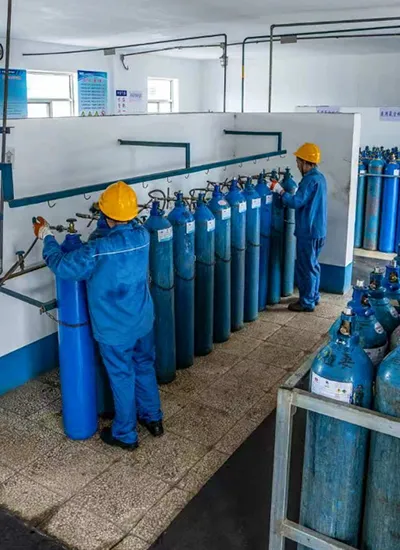
Industrial gas cylinder filling typically takes place at a dedicated filling station connected to a suitable gas source. Depending on the application, the supply may come from a gas production unit, compressor, high-pressure storage system, or bulk liquid storage tank.
A typical filling operation includes the following stages:
- Cylinder identification: Verify the cylinder markings, intended gas service, pressure rating, and inspection or requalification status.
- Pre-filling inspection: Check the cylinder body, valve, connections, and external condition according to applicable requirements.
- Gas supply preparation: Confirm that the gas source and filling equipment meet the required compatibility and purity specifications.
- Controlled filling: Use suitable filling connections and the appropriate pressure, mass, or other process controls for the gas and cylinder design.
- Post-filling checks: Verify the specified fill condition and check valves and connections for leakage using an approved method.
- Labeling and release: Complete required identification, records, and quality checks before releasing the cylinder for distribution.
The exact procedure depends on the gas, cylinder specification, filling technology, and applicable regulations. Industrial filling must follow approved procedures rather than a universal filling method.
2. What Types of Gas Cylinder Filling Systems Are Used?
Filling systems are selected according to the physical state of the gas, supply conditions, cylinder specifications, and required production capacity.
Compressed Gas Filling Systems
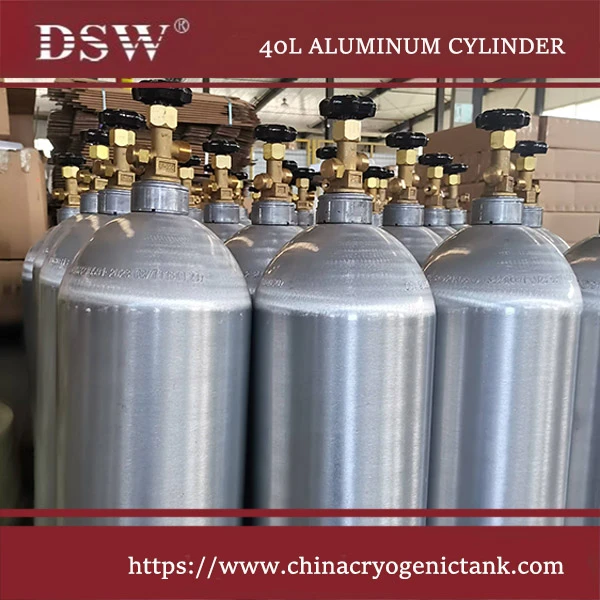
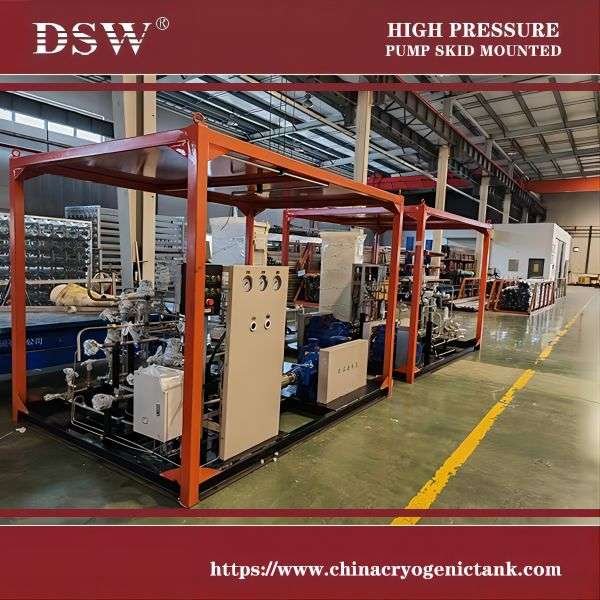
Compressed gas filling systems are used for gases such as nitrogen, oxygen, argon, and helium. Depending on the installation, the system may include a compressor, high-pressure storage, a filling manifold, individual cylinder connections, pressure-control devices, and monitoring instruments.
The equipment must be compatible with the gas and rated for the intended operating conditions. Oxygen service requires particular attention to equipment cleanliness, materials compatibility, and contamination control.
Liquefied Gas Filling Systems
Certain industrial gases, including carbon dioxide, can be stored as liquids under suitable pressure and temperature conditions. Their filling systems may use liquid transfer equipment, pumps, weighing systems, and other measurement and control devices.
The permitted filling quantity must account for the cylinder’s design and the properties of the gas. Temperature changes and liquid expansion are important considerations when selecting filling controls.
Cryogenic Liquid Transfer Systems
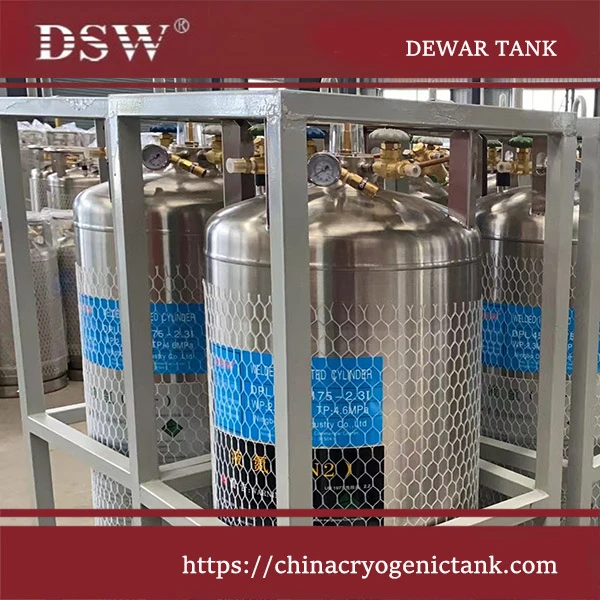
Cryogenic liquids such as liquid nitrogen, liquid oxygen, and liquid argon require equipment designed for extremely low temperatures. Depending on the application, a system may include a vacuum-insulated storage tank, cryogenic transfer lines, a suitable pump or pressure-building arrangement, valves, and instrumentation.
Transferring cryogenic liquid into an insulated liquid cylinder or another approved cryogenic vessel differs from filling a conventional high-pressure gas cylinder. The vessel manufacturer’s instructions and applicable operating requirements must determine the correct procedure.
3. What Equipment Is Used in a Gas Cylinder Filling Plant?
An industrial gas filling plant combines equipment appropriate to its gas supply source, filling method, and production requirements.
| Equipment | Main Function |
|---|---|
| Gas compressor | Raises gas pressure for compatible compressed-gas filling applications. |
| Filling manifold | Connects the gas supply to one or more cylinder filling positions. |
| Cryogenic pump | Transfers cryogenic liquid when a pump-based arrangement is suitable. |
| Vacuum-insulated storage tank | Stores bulk cryogenic liquid and supplies compatible downstream equipment. |
| Pressure and temperature instruments | Monitor operating conditions and support process control. |
| Scales and measurement systems | Verify filling quantities where required by the filling method. |
| Gas purification equipment | Helps achieve specified gas purity when required by the process. |
Not every plant requires all these components. Equipment selection should reflect the gas properties, required throughput, cylinder specifications, process design, and applicable standards.
4. Why Must Gas Cylinders Be Inspected Before Filling?
Cylinder inspection helps identify damage, unsuitable gas service, and overdue inspection or requalification requirements before filling. A cylinder that fails the applicable acceptance criteria should not be returned to normal filling service until it has been appropriately assessed.
Important inspection considerations include:
- Cylinder identification: Confirm that the cylinder is approved for the intended gas and service.
- External condition: Look for excessive corrosion, dents, bulges, cracks, or other signs of damage.
- Valve condition: Check that the valve and connections are suitable and serviceable.
- Inspection status: Verify that required inspections and requalification tests are current.
- Gas compatibility: Consider previous service and potential contamination or material-compatibility concerns.
Visual inspection does not replace required testing or requalification. Filling plants must follow the applicable regulations and their approved inspection procedures.
For operations in the United States, relevant requirements may include those administered by the Occupational Safety and Health Administration (OSHA) and the Pipeline and Hazardous Materials Safety Administration (PHMSA). Other jurisdictions may apply different requirements.
5. How Does Filling Differ by Gas Type?
Different gases require different filling arrangements because their physical properties, chemical compatibility requirements, and storage conditions vary.
| Gas Type | Filling Considerations |
|---|---|
| Nitrogen and argon | May use compressed-gas filling or cryogenic liquid supply, depending on the product and facility. |
| Oxygen | Requires oxygen-compatible equipment, cleanliness controls, and gas-specific procedures. |
| Carbon dioxide | May involve liquid transfer, with controls based on permitted filling quantity and temperature conditions. |
| Helium | Requires suitable pressure-rated equipment and attention to leakage and gas purity. |
| Flammable or toxic gases | Require additional controls for containment, ventilation, gas detection, and emergency response. |
| Cryogenic liquids | Require low-temperature-compatible transfer equipment and suitable insulated vessels. |
A filling system designed for one gas should not automatically be assumed suitable for another. Pressure ratings, valve connections, equipment materials, cleanliness requirements, and operating procedures must be verified for the intended service.
6. Gas Cylinder Filling vs. Cryogenic Tank Filling
Gas cylinder filling and cryogenic tank filling are related but distinct operations. Conventional cylinder filling prepares transportable cylinders for distribution, while cryogenic tank filling transfers a low-temperature liquid into a compatible insulated vessel.
| Parameter | Gas Cylinder Filling | Cryogenic Tank Filling |
|---|---|---|
| Purpose | Prepare cylinders for industrial use or distribution. | Transfer cryogenic liquid into an insulated vessel. |
| Typical equipment | Manifolds, compressors or liquid filling equipment, and measurement systems. | Insulated tanks, transfer lines, pumps or pressure-building systems, and instrumentation. |
| Key controls | Cylinder condition, gas compatibility, permitted fill quantity, and specified pressure or mass. | Vessel design, liquid level, pressure, temperature, and transfer capacity. |
| Typical application | Industrial gas distribution and cylinder supply services. | Bulk gas storage, industrial gas supply, and cryogenic process installations. |
For facilities handling cryogenic gases, storage and transfer equipment can form an integral part of the overall supply system. Explore our cryogenic storage solutions for industrial applications.
7. Safety Requirements for Industrial Gas Filling Plants
Industrial filling operations involve pressure, stored energy, and potentially hazardous gases or cryogenic liquids. Filling plants therefore need suitable equipment, documented procedures, trained personnel, and maintenance programs.
Key safety considerations include:
- Authorized operation: Use trained personnel and approved gas-specific procedures.
- Pressure protection: Ensure that cylinders, piping, valves, and other pressure equipment are suitable for the intended service and protected as required.
- Leak prevention: Inspect and maintain filling connections, valves, and equipment, using appropriate leak-testing methods.
- Ventilation and detection: Provide controls suitable for the gases handled and the facility layout.
- Gas compatibility: Prevent incompatible gas mixing and use materials and connections appropriate for the gas.
- Emergency preparedness: Establish procedures for leaks, abnormal pressure, equipment failure, and other foreseeable incidents.
- Maintenance and records: Maintain relevant inspection, calibration, and filling records.
Cryogenic installations also require protection against low-temperature exposure, thermal contraction, and pressure buildup caused by vaporization. Oxygen systems need appropriate cleanliness and materials controls, while flammable and toxic gases require additional measures based on their specific hazards.
Applicable requirements depend on the gas, equipment design, installation location, and intended use. Filling plant design and operating procedures should be reviewed against the relevant regulations and recognized industry standards.
8. How to Select an Industrial Gas Cylinder Filling System
When planning a new filling station or upgrading an existing facility, industrial gas suppliers should evaluate the complete process rather than selecting equipment based only on price or nominal capacity.
Important selection factors include:
- Gas type and purity: Define the gas or mixture and the required product quality.
- Cylinder specifications: Confirm materials, water capacity, pressure rating, valve configuration, and applicable approvals.
- Production capacity: Estimate the number and types of cylinders processed per shift or per day.
- Supply source: Determine whether gas will come from a compressor, production unit, bulk storage tank, or another approved source.
- Automation: Assess manual, semi-automatic, or automated filling arrangements based on throughput and process requirements.
- Safety and compliance: Identify the necessary protection systems, instruments, ventilation, and inspection procedures.
- Plant layout and expansion: Allow for cylinder handling, maintenance access, and potential capacity increases.
The selected system should match the plant’s operational requirements while supporting reliable filling, consistent quality, and safe maintenance. For cryogenic applications, the storage tank, transfer equipment, and downstream process should be evaluated as an integrated system.
Conclusion
Industrial gas cylinders are filled using specialized equipment and gas-specific procedures that account for cylinder condition, supply pressure, filling quantity, gas compatibility, and final inspection requirements. The appropriate configuration differs between compressed gases, liquefied gases, and cryogenic liquid applications.
For gas filling plant operators and industrial gas suppliers, understanding the relationship between filling equipment, bulk storage, and transfer systems helps support efficient and reliable operations.
DSW Industry provides industrial equipment and cryogenic storage solutions for applications involving gases such as liquid nitrogen, liquid oxygen, liquid argon, LNG, and carbon dioxide. Explore our cryogenic storage solutions to learn more about equipment for bulk gas storage and supply systems.

No comment