
Gas cylinders are among the most widely used pressure vessels in modern industry. They provide a safe, efficient, and portable method for storing and transporting compressed, liquefied, and dissolved gases used across manufacturing, healthcare, energy, laboratories, food processing, aerospace, marine, construction, and many other industries.
Whether supplying oxygen for hospitals, nitrogen for food preservation, argon for welding, carbon dioxide for beverage carbonation, hydrogen for clean energy, or specialty gases for semiconductor manufacturing, gas cylinders play an essential role in maintaining a reliable gas supply throughout the industrial chain.
However, selecting the right gas cylinder involves far more than choosing a container. Buyers must consider the gas type, operating pressure, cylinder material, applicable international standards, valve compatibility, transportation regulations, inspection intervals, and intended application. Understanding these factors helps improve operational safety, regulatory compliance, equipment performance, and long-term cost efficiency.
This comprehensive guide explains everything you need to know about industrial gas cylinders, including their working principles, main components, classifications, materials, manufacturing methods, and key considerations when choosing a cylinder for your application.
In this guide you’ll learn:
- What a gas cylinder is and how it works
- Main components of a gas cylinder
- Different cylinder types and materials
- International standards and certifications
- Manufacturing processes
- Safety and inspection requirements
- How to choose the right cylinder for your application
What Is a Gas Cylinder?
A gas cylinder is a reusable pressure vessel specifically engineered to safely store, transport, and dispense gases under pressure. Depending on the gas properties, cylinders may contain compressed gas, liquefied gas, dissolved gas, or cryogenic liquids. Each cylinder is manufactured to withstand high internal pressures while maintaining structural integrity throughout repeated filling, transportation, and service cycles.
Unlike ordinary storage containers, gas cylinders must meet strict engineering requirements covering material selection, wall thickness, heat treatment, pressure testing, and quality inspection. International standards such as ISO 9809, ISO 7866, DOT, TPED, and EN standards define the design, manufacturing, testing, and certification requirements to ensure safe operation.
Modern gas cylinders are available in various sizes ranging from small portable cylinders used in laboratories to large industrial cylinders supplying manufacturing plants. Depending on the application, cylinders may be manufactured from seamless steel, aluminium alloy, or advanced composite materials.
Common Gases Stored in Cylinders
| Gas | Typical Applications |
|---|---|
| Oxygen (O₂) | Medical, steelmaking, cutting, welding |
| Nitrogen (N₂) | Food packaging, electronics, chemical processing |
| Argon (Ar) | Welding, metallurgy, laboratories |
| Carbon Dioxide (CO₂) | Fire protection, beverage industry |
| Hydrogen (H₂) | Energy storage, fuel cells |
| Helium (He) | Medical imaging, aerospace, leak detection |
| Acetylene (C₂H₂) | Oxy-fuel cutting and welding |
How Does a Gas Cylinder Work?
Gas cylinders store energy by maintaining gas at a pressure significantly higher than atmospheric pressure. When the cylinder valve is opened, the pressure difference forces gas through the valve outlet and into connected equipment. Flow rate is typically controlled using pressure regulators that reduce cylinder pressure to a safe working pressure suitable for downstream equipment.
The storage method depends largely on the physical characteristics of the gas.
- Compressed gases remain entirely in gaseous form under pressure.
- Liquefied gases exist partly as liquid and partly as vapor inside the cylinder.
- Dissolved gases are stored in porous material saturated with solvent.
- Cryogenic gases are stored as refrigerated liquids in insulated cryogenic vessels.
As gas leaves the cylinder, internal pressure decreases. For liquefied gases such as carbon dioxide, the liquid continues evaporating to maintain vapor pressure until nearly all liquid has been consumed.
Working pressure, test pressure, water capacity, tare weight, manufacturing date, standard, serial number, and inspection marks are permanently stamped onto the cylinder shoulder for traceability throughout its service life.
Advantages of Gas Cylinders
- Reliable gas storage under high pressure
- Portable and easy to transport
- Suitable for hundreds of industrial gases
- Long service life with proper inspection
- Available in multiple capacities and pressures
- Reusable and environmentally sustainable
- Compatible with international transportation regulations
- Cost-effective gas distribution solution
Main Components of a Gas Cylinder
Although gas cylinders appear simple from the outside, they are precision-engineered pressure vessels consisting of several critical components. Each component contributes to structural strength, leak prevention, operational safety, and regulatory compliance.
1. Cylinder Body
The cylinder body forms the primary pressure-retaining structure. Manufactured from seamless steel, aluminium alloy, or composite materials, it is designed to withstand repeated filling cycles while resisting fatigue, corrosion, and impact damage. Wall thickness is carefully calculated according to the cylinder’s design pressure and applicable international standards.
2. Shoulder
The shoulder connects the cylindrical body to the neck. This transition area distributes internal stress and provides space for permanent identification markings, including manufacturer information, standard, serial number, test pressure, and manufacturing date.
3. Neck
The neck contains precision-machined internal threads used to securely install the cylinder valve. Thread accuracy is essential to maintain a leak-tight connection under high pressure.
4. Cylinder Valve
The valve controls gas flow into and out of the cylinder. Different gases require specific valve designs to prevent accidental cross-connection and contamination. Many valves also incorporate pressure relief devices that automatically vent gas under abnormal pressure conditions.
5. Valve Protection Cap
High-pressure cylinders are commonly equipped with protective caps or guards that shield the valve during transportation and handling. Preventing valve damage significantly reduces the risk of sudden gas release.
6. Base Ring
The base ring supports the cylinder in an upright position, improving stability during storage and operation while protecting the bottom from mechanical damage.
7. Permanent Markings
Each cylinder carries permanent stamped information required for identification, inspection, and regulatory compliance. Typical markings include manufacturer identification, material grade, water capacity, working pressure, test pressure, manufacturing date, serial number, inspection marks, and applicable certification standard.
8. Exterior Coating
Protective coatings improve corrosion resistance while providing standardized colour identification for different gases in accordance with national or regional regulations. Powder coating and epoxy paint systems are commonly used for industrial cylinders operating in harsh environments.
Internal Linking Opportunities
- Gas Cylinder Sizes Guide
- Gas Cylinder Valve Guide
- Steel Gas Cylinders
- Aluminium Gas Cylinders
- Medical Gas Cylinders
- CNG Cylinders
- Industrial Gas Guide
- Pressure Vessel Guide
Types of Gas Cylinders
Gas cylinders are available in a wide range of designs to accommodate different gases, operating pressures, transportation requirements, and industry applications. Selecting the correct cylinder type is essential for ensuring safety, regulatory compliance, and long-term operating efficiency. The most common classifications are based on construction material, intended application, and pressure rating.
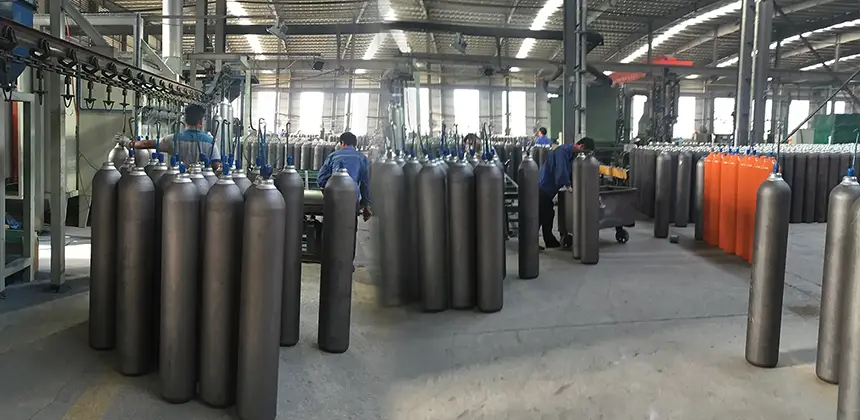
Seamless Steel Gas Cylinders
Seamless steel gas cylinders are the most widely used cylinders in industrial gas distribution. Manufactured from high-strength alloy steels such as 34CrMo4, 30CrMo, or 37Mn, these cylinders are designed to withstand repeated filling cycles and demanding working environments. Their excellent strength-to-cost ratio makes them suitable for storing high-pressure gases including oxygen, nitrogen, argon, helium, hydrogen, carbon dioxide, and specialty gases.
Steel cylinders are commonly used in manufacturing plants, welding workshops, laboratories, chemical facilities, offshore platforms, and gas filling stations. They are available in water capacities ranging from less than 2 litres to more than 80 litres, with working pressures typically between 150 and 300 bar.
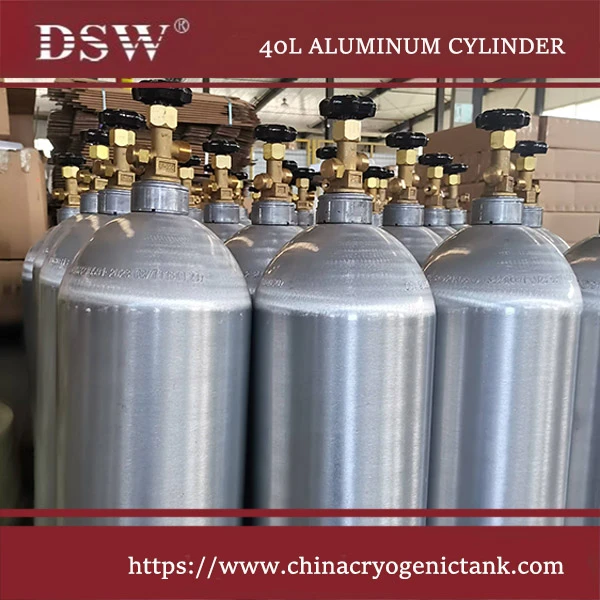
Aluminium Gas Cylinders
Aluminium cylinders are lightweight, corrosion resistant, and non-magnetic, making them an excellent choice for medical gases, breathing apparatus, laboratories, diving equipment, and specialty gas applications. Compared with steel cylinders, aluminium cylinders are easier to transport while providing excellent resistance to corrosion in humid or marine environments.
Common aluminium alloys include 6061-T6, which combines high strength with excellent machinability and long service life.
Composite Gas Cylinders
Composite cylinders combine a lightweight liner with carbon fibre or glass fibre reinforcement. Their significantly reduced weight makes them ideal for firefighters, emergency responders, rescue teams, and portable gas supply systems where mobility is important. Composite cylinders are increasingly used for hydrogen storage, self-contained breathing apparatus (SCBA), compressed natural gas (CNG), and lightweight industrial gas applications.
Medical Gas Cylinders
Medical gas cylinders are manufactured to stringent cleanliness and quality requirements to ensure compatibility with oxygen and medical gases. These cylinders supply oxygen therapy, anaesthesia, respiratory care, emergency medical services, and hospital pipeline backup systems.
CNG Cylinders
Compressed Natural Gas (CNG) cylinders are specifically designed for storing natural gas at very high pressures, typically up to 200–250 bar. Widely used in buses, trucks, taxis, commercial fleets, and passenger vehicles, CNG cylinders help reduce fuel costs and emissions while providing a cleaner alternative to conventional fuels.
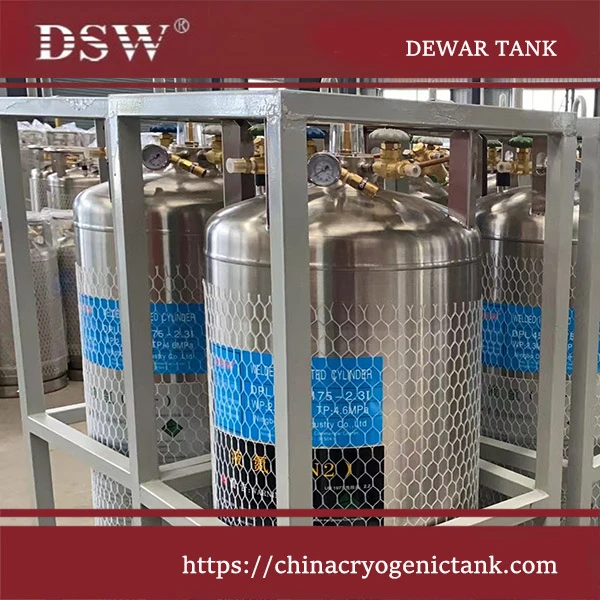
Cryogenic Cylinders (Dewars)
Unlike conventional high-pressure cylinders, cryogenic cylinders are vacuum-insulated vessels designed to store liquefied gases at extremely low temperatures. Liquid nitrogen, liquid oxygen, liquid argon, and liquid carbon dioxide are commonly supplied using cryogenic cylinders where higher gas volumes are required.
| Cylinder Type | Typical Applications | Main Advantages |
|---|---|---|
| Steel | Industrial gases, welding, manufacturing | High strength, long service life |
| Aluminium | Medical, laboratory, diving | Lightweight, corrosion resistant |
| Composite | SCBA, hydrogen, CNG | Very lightweight |
| Cryogenic | Liquid gases | Large gas capacity |
Gas Cylinder Safety Guidelines
Because gas cylinders contain significant stored energy, proper handling and storage are essential. Even a relatively small cylinder can become hazardous if dropped, exposed to excessive heat, or connected incorrectly. Following established safety procedures reduces risks while extending cylinder service life.
Proper Storage
- Store cylinders upright and secure them to prevent tipping.
- Keep protective valve caps installed during storage and transport.
- Separate full and empty cylinders.
- Store oxidising gases away from flammable gases.
- Provide adequate ventilation.
- Protect cylinders from excessive heat and direct sunlight.
Safe Handling
- Move cylinders using approved trolleys.
- Never drag or roll cylinders on the ground.
- Do not lift cylinders by the valve.
- Use compatible regulators and fittings.
- Open valves slowly to minimise pressure shock.
- Check for leaks before operation.
Never attempt to repair, weld, drill, or modify a gas cylinder. Damaged cylinders should be removed from service and inspected by qualified personnel.
Inspection and Testing
Gas cylinders require regular inspection throughout their service life to verify structural integrity and compliance with applicable regulations. Inspection intervals vary depending on cylinder type, gas service, and local regulatory requirements.
Typical inspection procedures include:
- Visual inspection for corrosion, dents, cuts, and fire damage.
- Hydrostatic pressure testing.
- Ultrasonic examination where applicable.
- Valve inspection and replacement.
- Leak testing.
- Verification of permanent markings.
Periodic testing ensures cylinders remain safe for continued service while helping prevent failures caused by corrosion, fatigue, or mechanical damage.
Industrial Applications of Gas Cylinders
Gas cylinders support thousands of industrial processes worldwide. Different industries require specific gases, cylinder sizes, and pressure ratings depending on operational needs.
| Industry | Common Gases |
|---|---|
| Healthcare | Oxygen, Nitrous Oxide, Medical Air |
| Metal Fabrication | Argon, Oxygen, Acetylene |
| Food & Beverage | Nitrogen, Carbon Dioxide |
| Semiconductor | Ultra-high purity gases |
| Oil & Gas | Nitrogen, Helium, Hydrogen |
| Laboratories | Calibration and specialty gases |
| Energy | Hydrogen, CNG |
How to Choose the Right Gas Cylinder
Choosing the right gas cylinder requires evaluating several technical and operational factors. The correct cylinder not only improves safety but also optimises logistics, reduces operating costs, and ensures compatibility with filling equipment and end-use systems.
- Select the appropriate cylinder material.
- Confirm the required working pressure.
- Determine the required gas capacity.
- Verify valve connection compatibility.
- Ensure compliance with local regulations.
- Consider transportation and storage conditions.
- Choose cylinders certified to recognised international standards.
Looking for a Reliable Cryogenic Storage Solution?
Whether you need bulk storage, microbulk, or on-site supply,
Related Technical Resources
TECHNICAL FAQs
About Stationary Bulk Cryogenic Storage
A gas cylinder is a high-pressure container used to store and transport compressed, liquefied, or dissolved gases for industrial, medical, laboratory, and energy applications.
The main types include seamless steel gas cylinders, aluminium cylinders, composite cylinders, medical gas cylinders, CNG cylinders, and cryogenic cylinders.
Gas cylinders are manufactured according to international standards such as ISO 9809, ISO 7866, DOT, TPED, EN ISO standards, and UN transport regulations.
Gas cylinders require periodic inspection and hydrostatic testing every few years depending on national regulations, cylinder type, and gas service conditions.
Yes, gas cylinders are designed for multiple refill cycles as long as they pass periodic inspections, safety testing, and remain within service life limits.
Common gases include oxygen, nitrogen, argon, carbon dioxide, hydrogen, helium, acetylene, ammonia, and specialty industrial gases.
Gas cylinders should be stored upright, secured to prevent tipping, kept in ventilated areas, away from heat sources, and separated based on gas compatibility.
Related Cryogenic Tank Resources
More Technical Information about Stationary Bulk Cryogenic Storage
Periodic inspection and testing requirements for static cryogenic pressure vessels
Need Help Selecting the Right Gas Cylinder?
Looking for seamless steel, aluminium, medical, CNG, or customised high-pressure gas cylinders? Our engineers can help you select the right solution based on your gas type, working pressure, application, and international certification requirements.
We Can Assist With
- Gas cylinder selection & sizing
- Working pressure recommendations
- Valve compatibility
- ISO, DOT, TPED & EN certified cylinders
- OEM & custom manufacturing
- Global export support
Why Work With Us?
• 20+ years of manufacturing experience
• International certifications
• OEM & private label production
• Engineering consultation
• Worldwide delivery
Need expert advice?
Contact our engineering team for product recommendations and customised gas storage solutions.