
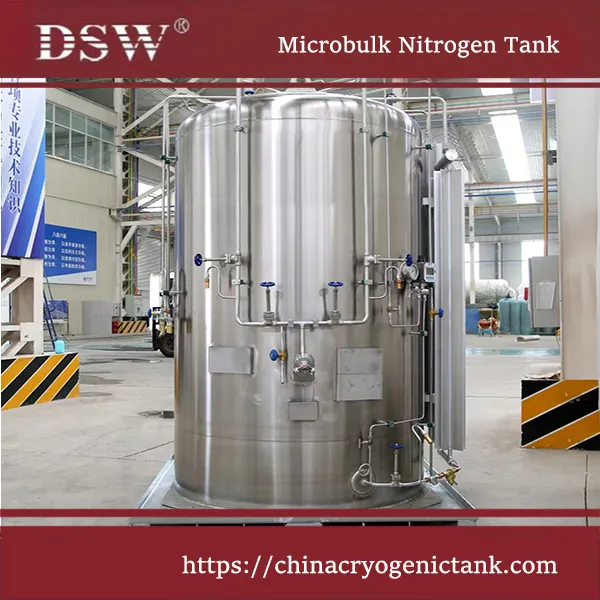
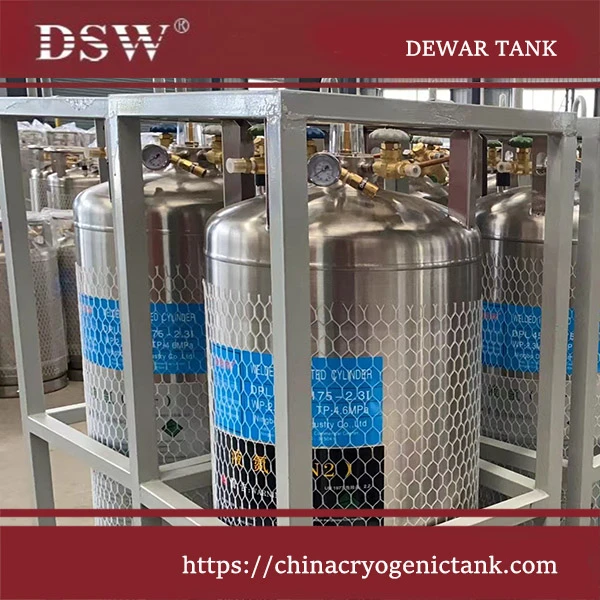
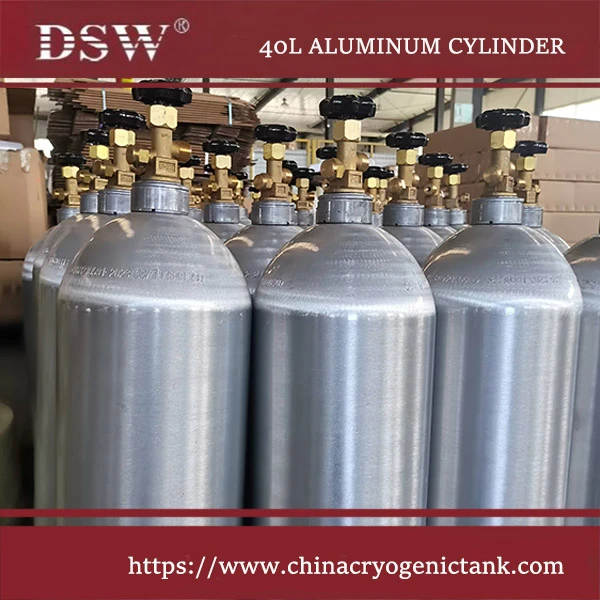


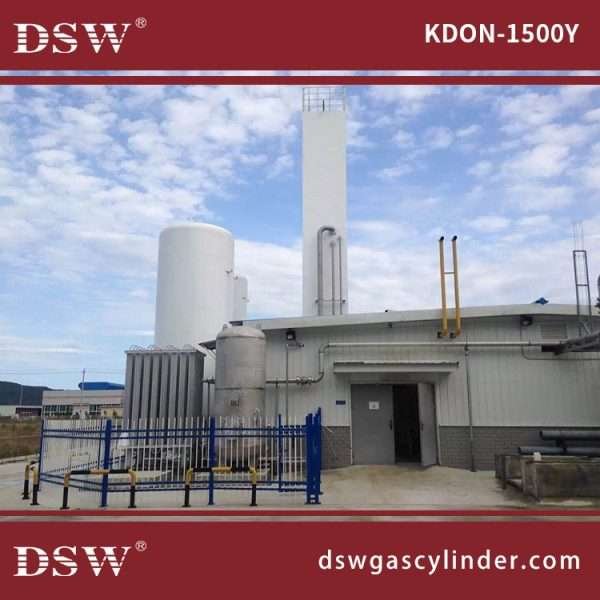
DSW Industry manufactures industrial cryogenic air separation units (ASUs) for producing oxygen, nitrogen and argon from atmospheric air. Designed according to required production capacity, gas purity, operating pressure and product specifications, our air separation plants integrate air compression, purification, cryogenic heat exchange and distillation systems. These systems serve industrial gas production, metallurgy, chemical processing, electronics manufacturing and other applications requiring a reliable supply of industrial gases.
From process equipment configuration and component manufacturing to system integration and project support, DSW Industry provides air separation equipment solutions tailored to individual industrial gas production requirements.
Industrial Cryogenic Air Separation Units
Cryogenic air separation is an established technology for producing large quantities of high-purity oxygen, nitrogen and argon. The process uses the different boiling points of atmospheric gases to separate them through low-temperature distillation.
An industrial air separation unit typically consists of an air compression system, pre-purification equipment, heat exchangers, expansion turbines and cryogenic distillation columns. Depending on the required production capacity and product specifications, the plant can be configured to deliver gaseous products, liquid products or a combination of both.
DSW Industry develops air separation equipment configurations according to project-specific requirements, including:
- Required oxygen, nitrogen and argon production capacity.
- Gas purity and product recovery requirements.
- Gaseous or liquid product delivery.
- Operating pressure and process conditions.
- Continuous production and downstream gas supply requirements.
- Site conditions and equipment integration requirements.
Air Separation Unit Configurations
Different industrial applications require different combinations of atmospheric gases. DSW Industry provides air separation plant configurations according to the required products, production rates and operating conditions.
Oxygen Production Air Separation Unit
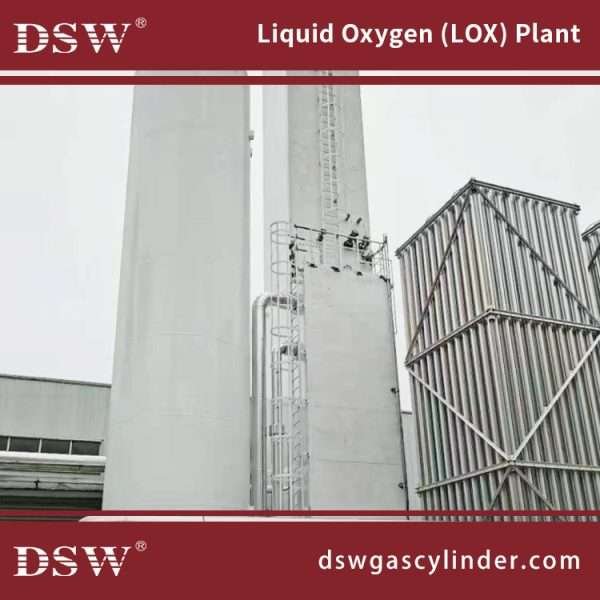
Oxygen production air separation units use cryogenic distillation to recover oxygen from atmospheric air. Depending on the plant configuration, oxygen can be delivered as a gaseous product or recovered as liquid oxygen for storage and distribution.
Industrial oxygen is commonly used in steelmaking, metal processing, chemical manufacturing, combustion processes and industrial gas supply facilities.
Nitrogen Production Air Separation Unit
Nitrogen production units are designed to deliver nitrogen at the required purity, pressure and production rate. Nitrogen can be supplied directly to industrial processes or recovered as liquid nitrogen for cryogenic storage and distribution.
Typical applications include chemical processing, electronics manufacturing, petroleum refining, pipeline purging, tank blanketing and industrial gas production.
Oxygen and Nitrogen Air Separation Unit
Combined oxygen and nitrogen production systems are designed to supply both gases from a single air separation plant. The process configuration and equipment arrangement depend on the required output, purity specifications, product recovery and operating conditions.
This arrangement is suitable for industrial facilities that consume both oxygen and nitrogen and require an integrated on-site gas production system.
Oxygen, Nitrogen and Argon Production Unit
For applications requiring additional atmospheric gases, appropriately configured cryogenic air separation plants can also recover argon. Argon recovery requires additional separation equipment and process configuration.
Industrial argon is widely used in welding, metallurgy, electronics manufacturing and other applications requiring an inert gas atmosphere.
Main Components of an Air Separation Plant
An industrial cryogenic air separation plant consists of interconnected process systems and supporting equipment. Each component performs a specific function to maintain stable operation, efficient gas separation and reliable product delivery.
1. Main Air Compressor
The main air compressor draws atmospheric air through an inlet filtration system and compresses it to the required operating pressure. Compression provides the pressure conditions necessary for downstream purification and cryogenic processing.
2. Air Pre-Purification Unit
Atmospheric air contains moisture, carbon dioxide, dust and other contaminants that must be removed before entering the cryogenic section. A molecular sieve pre-purification system is commonly used to remove water vapor and carbon dioxide, helping prevent freezing and blockage in low-temperature equipment.
3. Air Cooling System
After compression and purification, process air passes through cooling equipment to reduce its temperature before entering the cryogenic heat exchange system. The cooling arrangement depends on the plant design and operating conditions.
4. Main Heat Exchanger
The main heat exchanger cools purified compressed air to cryogenic temperatures using cold returning product and waste gas streams. This heat exchange process improves energy utilization and prepares the air for separation.
5. Expansion Turbine
The expansion turbine provides refrigeration required to maintain the low-temperature operating conditions of the air separation plant. Expansion of the process gas generates cooling energy for the cryogenic cycle.
6. Cryogenic Distillation Columns
Distillation columns separate oxygen, nitrogen and, where configured, argon according to their different volatilities and boiling points. Depending on the plant design, high-pressure and low-pressure columns are integrated to achieve the required product purity and recovery rates.
7. Cryogenic Pumps and Product Handling Equipment
Cryogenic pumps transfer liquid oxygen, nitrogen and argon between process equipment, storage tanks and downstream handling systems. Pump specifications depend on the liquid medium, required flow rate, operating pressure and system configuration.
8. Control and Instrumentation System
Industrial air separation plants require coordinated monitoring and control of pressure, temperature, flow, liquid levels and equipment operating conditions. The control system supports stable plant operation, process monitoring and equipment protection.
Technical Specifications of Air Separation Units
Air separation unit specifications depend on the required production capacity, gas purity, operating pressure, product form and site conditions. DSW Industry evaluates the equipment configuration according to individual project requirements.
| Parameter | Technical Description |
|---|---|
| Separation Technology | Cryogenic distillation |
| Feed Gas | Atmospheric air |
| Product Gases | Oxygen, nitrogen and optional argon |
| Production Capacity | Project-specific, based on required gas output |
| Gas Purity | Specified according to product requirements |
| Product Form | Gaseous or liquid products |
| Operating Pressure | Project-specific |
| Cooling Method | Cryogenic heat exchange and expansion refrigeration |
| Control System | Configured according to plant design |
| Plant Configuration | Customized according to production and site conditions |
Note: Final technical parameters, production guarantees, power consumption and equipment configuration must be confirmed through project-specific engineering design and contractual technical documentation.
Air Separation Unit Design Conditions
The design conditions of an air separation plant establish the operating parameters used for process design and equipment selection. These conditions are important for evaluating plant capacity, gas purity, process performance and equipment operating requirements.
Depending on the project, the design assessment may include:
- Ambient air temperature and atmospheric pressure.
- Feed air flow rate and operating pressure.
- Required oxygen and nitrogen production capacity.
- Product purity and recovery requirements.
- Cooling water and utility conditions.
- Product delivery pressure and storage requirements.
Actual design values should be confirmed against the applicable project engineering documentation.

Cryogenic Air Separation Process
Cryogenic air separation uses low-temperature distillation to separate the main components of atmospheric air. The process involves several interconnected stages, from air intake and purification to gas recovery and product distribution.
1. Air Compression
Atmospheric air is drawn through an inlet filtration system and compressed by the main air compressor. The compressed air is then cooled through the appropriate cooling equipment before purification.
2. Air Purification
The compressed air passes through a pre-purification system that removes moisture, carbon dioxide and other contaminants. This stage is essential because these substances can freeze and obstruct cryogenic equipment during low-temperature operation.
3. Cryogenic Cooling
Purified air enters the main heat exchanger, where it is cooled by returning cold product and waste gas streams. Expansion turbines provide additional refrigeration to maintain the required cryogenic operating conditions. Depending on the process design, the air is partially liquefied before entering the distillation system.
4. Gas Separation
The cooled air enters the cryogenic distillation system. Oxygen and nitrogen are separated through controlled vapor-liquid mass transfer in the distillation columns. Additional equipment can be incorporated when argon recovery is required.
5. Product Recovery and Storage
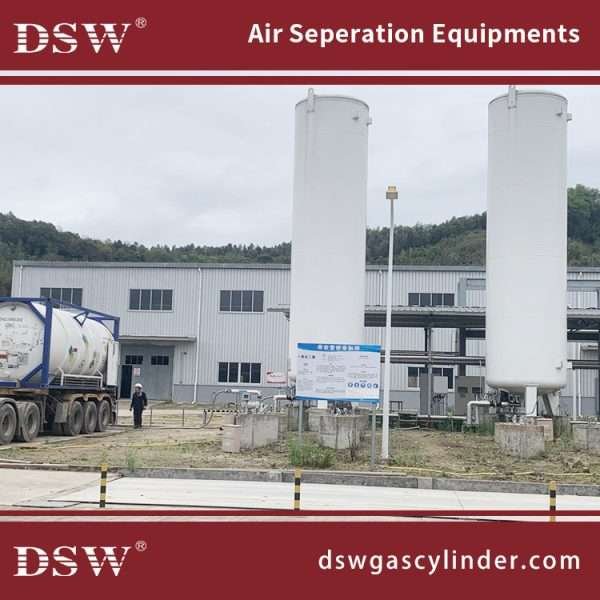
The separated gases are recovered according to their required product specifications. Depending on the plant configuration, products can be delivered as gases or collected as cryogenic liquids for storage in suitable vacuum-insulated tanks.
6. Gas Supply and Distribution
Gaseous products can be supplied directly to industrial pipelines or downstream gas distribution systems. Liquid products can be transferred to cryogenic storage tanks and subsequently delivered to industrial users or downstream filling facilities.
Air Separation Unit Performance Guarantee
Air separation plant performance is evaluated against agreed design conditions and contractual technical requirements. Production capacity, product purity, operating conditions and equipment performance should be assessed using the applicable project specifications.
Performance Assessment Conditions
Following installation, commissioning and acceptance of the equipment, plant performance can be evaluated under the agreed operating conditions. Where specified in the project contract, a continuous full-load performance assessment, including mechanical performance checks, can be conducted to verify compliance with the agreed requirements.
Guaranteed Performance Parameters
Depending on the project configuration, the performance guarantee may cover:
- Oxygen and nitrogen production capacity.
- Product purity and quality specifications.
- Product delivery pressure.
- Operating stability under agreed conditions.
- Power consumption and energy performance.
- Equipment operation and mechanical performance.
The guaranteed values and acceptance criteria must be confirmed in the project-specific technical proposal and contractual documentation.
Industrial Applications of Air Separation Units
Air separation plants support industries that require reliable supplies of oxygen, nitrogen and argon. Production capacity and gas purity are selected according to specific process requirements.
Metallurgy and Steel Manufacturing
Oxygen is used in steelmaking, metal refining, combustion enhancement and other metallurgical processes. Nitrogen and argon are also used for purging, inerting and process protection in metal production.
Electronics and Semiconductor Manufacturing
High-purity nitrogen is used for inert atmospheres, equipment purging and protection of sensitive manufacturing processes. Gas purity and supply reliability are particularly important for semiconductor and electronics production.
Petroleum Refining and Petrochemical Processing
Nitrogen is widely used for pipeline purging, tank blanketing, equipment maintenance and inerting applications. Oxygen may also be required for specific oxidation and process applications.
Chemical Processing
Oxygen and nitrogen support various chemical manufacturing operations, including oxidation, inerting, purging and process atmosphere control. The required gas quality and supply capacity depend on the production process.
Industrial Gas Production
Industrial gas suppliers use air separation plants to produce oxygen, nitrogen and argon for distribution to manufacturing facilities and industrial customers. Liquid product storage, vaporizers and gas filling equipment can be incorporated into the overall supply configuration where required.
Healthcare and Medical Oxygen Supply
Appropriately designed and qualified oxygen production systems can support medical oxygen supply applications. Such installations must meet applicable medical oxygen quality requirements, regulatory standards, purification requirements and validation procedures. Not every industrial oxygen production plant is suitable for medical applications.
Air Separation Unit Manufacturing and Engineering
Reliable air separation plant operation depends on the correct selection and integration of compressors, purification systems, heat exchangers, expansion turbines, distillation columns and product handling equipment.
DSW Industry manufactures air separation equipment and supports industrial gas equipment projects through engineering coordination, equipment manufacturing and system integration according to the agreed project scope.
Key project considerations include:
- Production Requirements: Oxygen, nitrogen and argon output capacity and daily consumption.
- Product Purity: Required gas purity and applicable quality standards.
- Operating Conditions: Process pressure, temperature and ambient site conditions.
- Equipment Configuration: Selection and coordination of major process equipment.
- Storage and Distribution: Integration with cryogenic storage tanks, vaporizers, pumps and gas distribution systems where required.
- Control and Safety: Instrumentation, monitoring and protection systems based on plant design.
- Performance Requirements: Production capacity, product recovery, energy consumption and contractual performance assessment.
Related Products
Explore related industrial gas equipment from DSW Industry for cryogenic storage, liquid transfer and gas supply.
Cryogenic Storage Tanks
Vacuum-insulated tanks for storing liquid oxygen, nitrogen and argon.
Cryogenic Liquid Pumps
Pumps for transferring and pressurizing cryogenic liquids.
Industrial Vaporizers
Equipment for converting cryogenic liquids into gaseous products.
Industrial Gas Cylinders
Cylinders for compressed industrial gas storage and distribution.
Looking for a Reliable Air Separation Unit?
Whether you need industrial oxygen, nitrogen or argon production, DSW Industry can help you evaluate your requirements and select a suitable air separation plant configuration.
Discuss your project with our engineering team.




Reviews
There are no reviews yet.