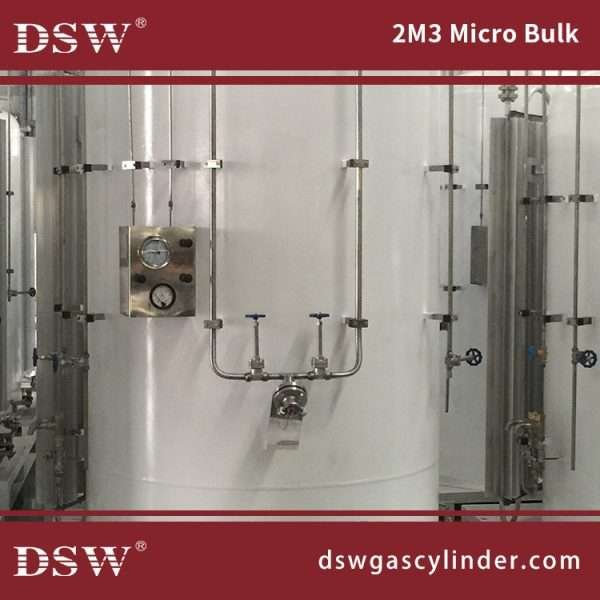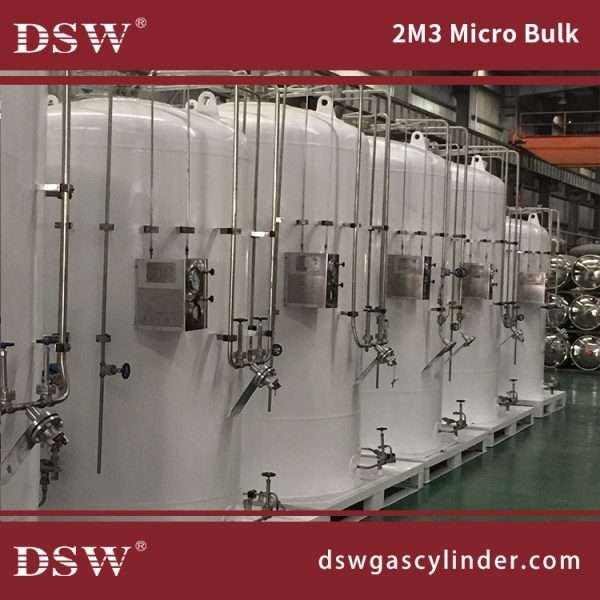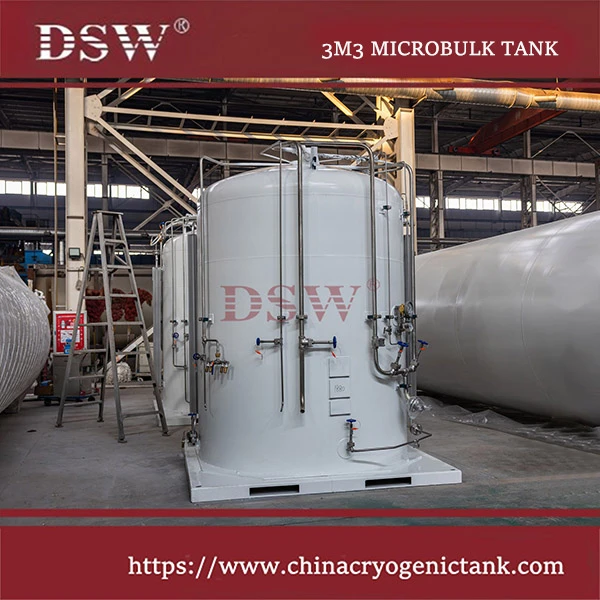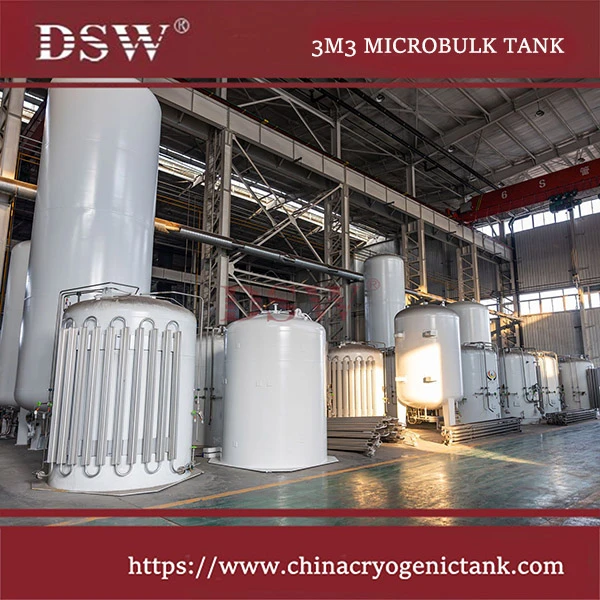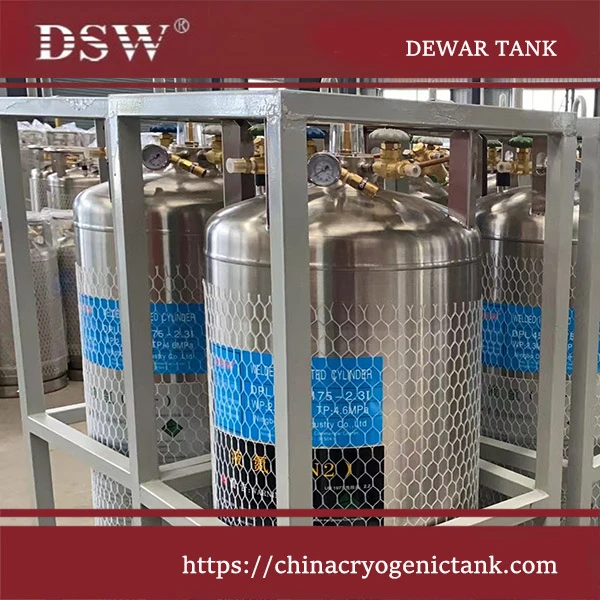
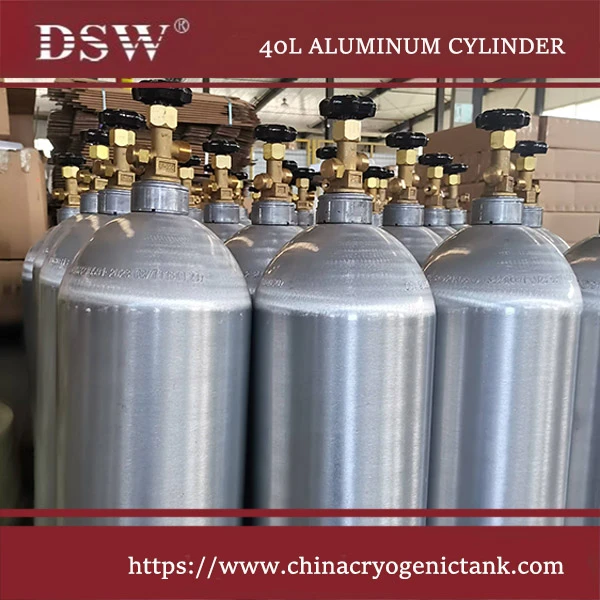
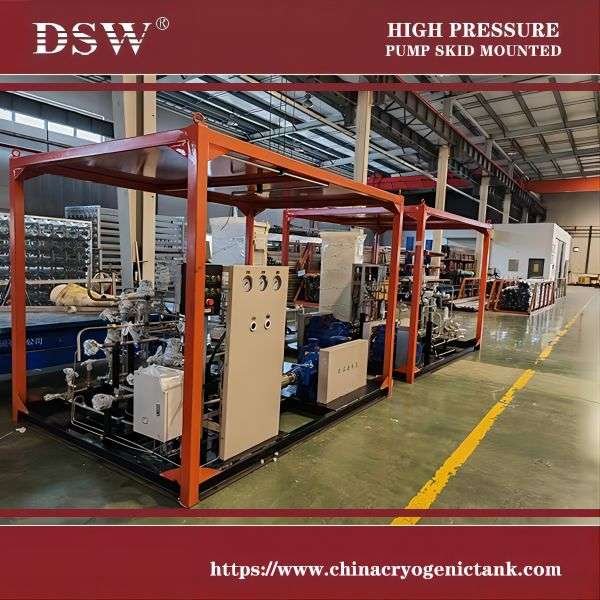
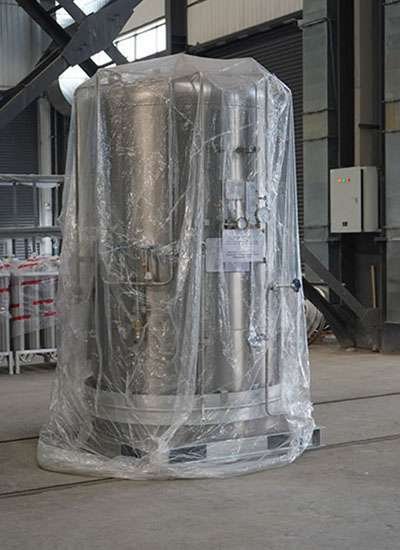
DSW’s cryogenic microbulk tanks provide reliable, compact storage solutions for liquid nitrogen, oxygen, argon, and carbon dioxide. Designed for industrial facilities, laboratories, and medical centers, these tanks ensure safe, low-maintenance, and energy-efficient cryogenic liquid storage.
Why Choose DSW Microbulk Tanks?
- Optimised for Small to Medium Consumption: Ideal for research labs, medical centers, and industrial sites needing frequent liquid refills without large equipment.
- Advanced Insulation & Minimal Boil-Off: Vacuum-insulated design reduces cryogenic liquid loss and operating costs.
- International Safety Standards: Built to ASME, EN, and CODE 2000 compliance with pressure monitoring and safety valves.
- Custom Capacities & Configurations: Tanks tailored for specific consumption rates, site space, and liquid type.
Applications
Our micro bulk tanks are widely used across sectors requiring on-site cryogenic storage:
- Healthcare & Medical: Cryopreservation, surgical gases, and respiratory support systems.
- Laboratories & Research: Sample storage, cooling, and analytical instrumentation support.
- Industrial & Manufacturing: Cryogenic machining, metal processing, and inert gas handling.
- Food & Beverage: Quick freezing, CO₂ gas flushing, and controlled atmosphere storage.
Key Features & Benefits
- High-efficiency vacuum insulation to reduce liquid boil-off
- Variety of tank capacities for small-scale to moderate daily use
- Durable stainless-steel construction for long service life
- Low-maintenance operation with easy-to-read gauges
- Safe for LN₂, LOX, LAr, and LCO₂ storage
Supported Cryogenic Liquids
- Liquid Nitrogen (LN₂)
- Liquid Oxygen (LOX)
- Liquid Argon (LAr)
- Liquid Carbon Dioxide (LCO₂)
Tanks can be customised with fittings, transfer lines, and valves to optimise cryogenic liquid handling and supply chain efficiency.
Get Expert Guidance for Your Cryogenic Storage Needs
Showing all 2 results