Cryogenics is the branch of physics and engineering that studies the production and effects of extremely low temperatures, typically below -150°C (-238°F). The field involves the behavior of materials and systems at these temperatures, as well as the practical applications of cryogenics in various industries.
Applications of Cryogenics

Medical Field: Cryosurgery and cryotherapy use extreme cold to destroy diseased tissue, such as cancerous cells.
Food Industry: Cryogenic freezing is used for rapid freezing of perishable goods, preserving texture and nutritional content better than conventional freezing methods.
Space Exploration: Liquid hydrogen and liquid oxygen are used as rocket propellants due to their high energy density and efficiency.
Electronics: Superconducting materials are used in magnetic resonance imaging (MRI) machines and in quantum computing.
Industrial Gases: Cryogenics plays a critical role in the production, storage, and transportation of industrial gases like liquid nitrogen and liquid oxygen.

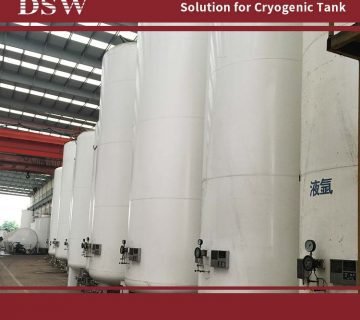
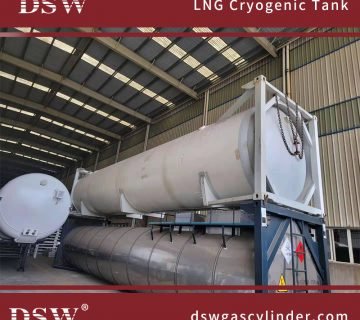
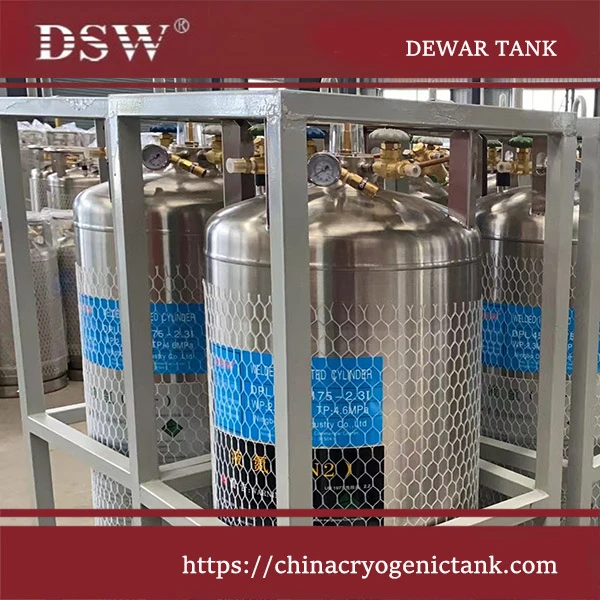
Cryogenic tank for storing liquefied gases such as oxygen, nitrogen, and argon at extremely low temperatures

What Is A Cryogenic Tank? Construction, Materials, Pressure,

What is cryogenic tank? Cryogenic tanks are liquid tanks, tank containers or cryogenic vessels with double-wall construction made of a stainless steel inner vessel and carbon steel outer vacuum jacket with MLI standard. Other options are single-wall vessels, either insulated on non-insulated, or triple-wall vessels made by to store high-temperature gases like LNG, co2, and nitrous oxide. ... Read More
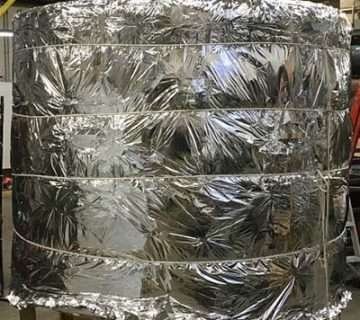
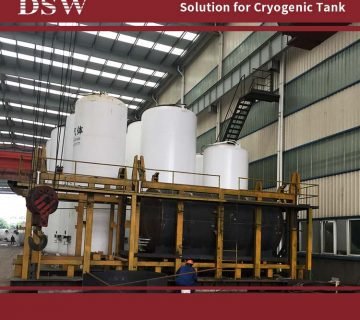
CryogeniC ASME pressure vessel cryogenic tanks

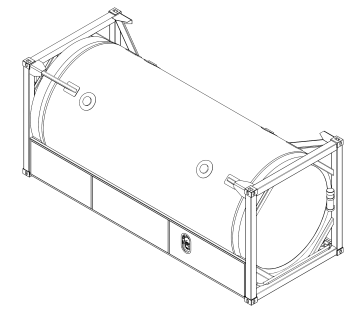
What are ISO tank containers?

ISO Tank Containers are used for the storage and transportation of hazardous and non-hazardous substances such as liquids. powders and gases. ISO tanks consist of stainless-steel with insulation and an aluminum or polyurethane protective layer.  ... Read More