
Ethylene oxide (EtO or ETO) sterilization is a low-temperature sterilization method widely used for medical devices and other products that may be damaged by high temperatures or moisture. Ethylene oxide gas can penetrate complex device geometries, porous materials, and specially designed packaging, making it suitable for products that cannot be effectively sterilized by conventional steam processes.
According to the U.S. FDA, ethylene oxide remains an important sterilization method for medical devices, particularly products made from certain plastics, polymers, metals, or glass and devices with complex structures or multiple layers of packaging. Ethylene oxide gas is therefore an important process gas for many medical-device sterilization applications.
What Is EtO Sterilization?
EtO sterilization uses ethylene oxide gas to destroy microorganisms on and within products. Because EtO is a highly penetrating gas, it can reach surfaces and internal areas that may be difficult to sterilize using conventional heat-based methods.
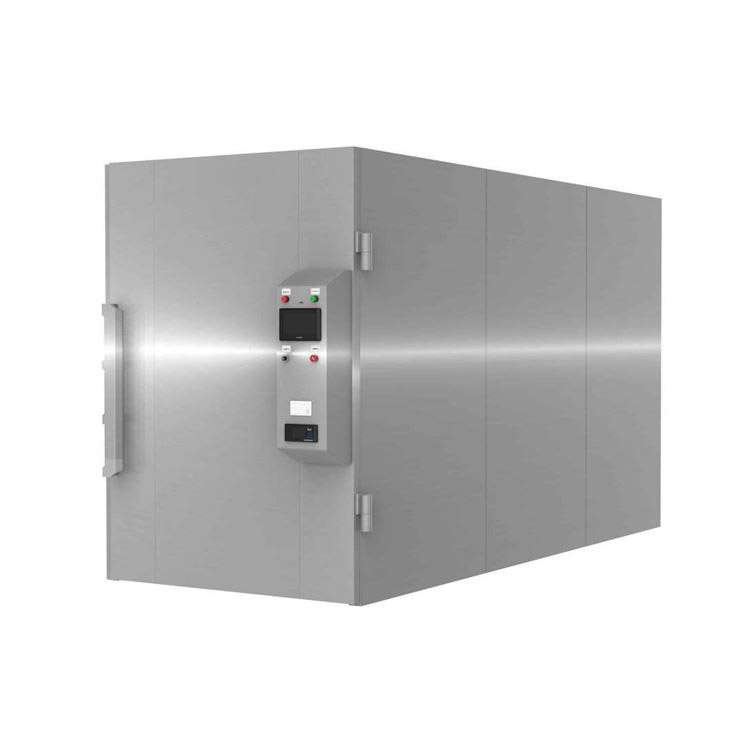
The process is normally carried out in a controlled sterilization chamber. Depending on the equipment and process design, the cycle may include preconditioning, humidification, evacuation, EtO gas introduction, exposure, evacuation, and aeration.
Ethylene oxide is a colorless, flammable and explosive gas. Its use therefore requires controlled process conditions, appropriate gas-handling equipment, ventilation, emission controls, and validated operating procedures.
Why Is Ethylene Oxide Used for Sterilization?
EtO is particularly valuable when a product cannot tolerate the temperatures, moisture, or radiation associated with alternative sterilization methods.
Typical products that may be sterilized with EtO include:
- Catheters and tubing
- Wound dressings
- Syringes and disposable medical supplies
- Plastic and polymer-based medical devices
- Implantable and surgical devices
- Devices containing electronic components
- Complex devices with narrow channels or difficult-to-reach surfaces
- Pre-packaged single-use medical devices
The FDA states that EtO remains an important sterilization method because many medical devices cannot currently be effectively sterilized by alternative technologies without compromising the device.
How Does EtO Sterilization Work?
EtO sterilization is based on exposing the product to a controlled concentration of ethylene oxide under carefully controlled temperature and humidity conditions.
A typical industrial EtO sterilization cycle includes several stages:
- Preconditioning: The products are brought to controlled temperature and relative humidity.
- Evacuation: Air is removed from the sterilization chamber to establish the required process conditions.
- Gas introduction: Ethylene oxide is introduced into the chamber at a controlled concentration.
- Exposure: The products remain exposed to EtO for the validated sterilization period.
- Gas removal: The chamber is evacuated and the EtO is removed through the facility’s controlled exhaust and emission-management system.
- Aeration: Products are aerated for a validated period to reduce residual EtO and related compounds before release.
The exact cycle parameters depend on the product, packaging configuration, sterilizer design, load configuration, and validated sterilization process. A sterilization cycle should therefore not be selected solely from generic operating ranges.
Key EtO Sterilization Parameters
Four major process parameters traditionally associated with EtO sterilization are gas concentration, temperature, relative humidity, and exposure time. CDC guidance identifies typical operational ranges of approximately 450–1200 mg/L for gas concentration, 37–63°C for temperature, 40–80% relative humidity, and 1–6 hours for exposure time.
| Parameter | Typical Operational Range | Role in the Process |
|---|---|---|
| EtO concentration | 450–1200 mg/L | Provides the required sterilizing gas concentration. |
| Temperature | 37–63°C | Affects EtO reaction and sterilization kinetics. |
| Relative humidity | 40–80% | Helps support effective EtO penetration and microbial inactivation. |
| Exposure time | 1–6 hours | Provides sufficient exposure under the validated process conditions. |
These values are general operational ranges rather than universal specifications. The validated cycle for a particular medical device must establish the appropriate process conditions and demonstrate the required sterility assurance.
EtO Sterilization Applications
Medical Devices
Medical-device sterilization is the most important application of EtO. It is used for products that may be sensitive to heat or moisture and for devices with complex geometries or packaging configurations.
Examples include catheters, wound dressings, surgical products, implantable devices, syringes, tubing, and various single-use medical devices. The FDA recognizes EtO as an important sterilization technology for a broad range of medical devices.
Pharmaceutical and Healthcare Products
EtO may also be used for selected healthcare and pharmaceutical-related products when the material or product configuration makes other sterilization technologies unsuitable. The applicable process must be validated for the specific product.
Laboratory and Research Equipment
Selected laboratory supplies and equipment can be sterilized using EtO when compatibility with other sterilization methods is limited.
Food and Agricultural Products
EtO has also been used for the treatment of certain spices, dried herbs, and other products to control microbial contamination. Regulatory requirements vary by country and application, so its use must comply with the applicable regulations.
Advantages of EtO Sterilization
- Low-temperature sterilization for heat-sensitive products
- Effective penetration into complex device geometries
- Can penetrate certain porous materials and gas-permeable packaging
- Suitable for many plastics, polymers, metals, and mixed-material devices
- Can be used for pre-packaged medical devices
- Applicable to products that may not tolerate steam or high-temperature processes
EtO’s ability to penetrate complex products and packaging is one of the main reasons it remains important for medical-device sterilization.
EtO Sterilization Limitations
Although EtO is effective and versatile, the process requires strict control because ethylene oxide is hazardous and flammable. Sterilization facilities must also manage EtO emissions and residual gas in accordance with applicable safety and environmental requirements.
Another important consideration is residual EtO. After sterilization, products normally require controlled aeration to reduce residual ethylene oxide and related compounds to acceptable levels before release.
FDA-recognized ISO 10993-7 addresses allowable limits and evaluation of residual ethylene oxide and ethylene chlorohydrin for applicable medical devices.
EtO Residuals and Aeration
After the exposure phase, EtO can remain absorbed or retained in certain materials. The sterilized products therefore undergo an aeration stage designed to remove residual EtO and allow the products to meet applicable release requirements.
Residual levels depend on factors such as material composition, product geometry, packaging, EtO exposure conditions, temperature, humidity, and aeration conditions.
For medical devices, residual EtO and ethylene chlorohydrin requirements are addressed by ISO 10993-7, which provides allowable limits and methods for evaluating these residues.
EtO Sterilization Safety
Ethylene oxide requires careful handling because it is a flammable and explosive gas and can present health hazards through occupational exposure.
An EtO sterilization facility typically needs appropriate controls for:
- EtO gas storage and supply
- Gas delivery and pressure control
- Leak detection
- Ventilation
- Emergency shutdown systems
- Chamber evacuation
- EtO emission control
- Worker exposure monitoring
- Product aeration
- Gas-cylinder or gas-source handling
EtO sterilization facilities must comply with the safety, environmental, and regulatory requirements applicable to their location and process. In the United States, the FDA and EPA have separate roles in regulating aspects of medical-device sterilization and EtO emissions.
Ethylene Oxide Gas Supply for Sterilization
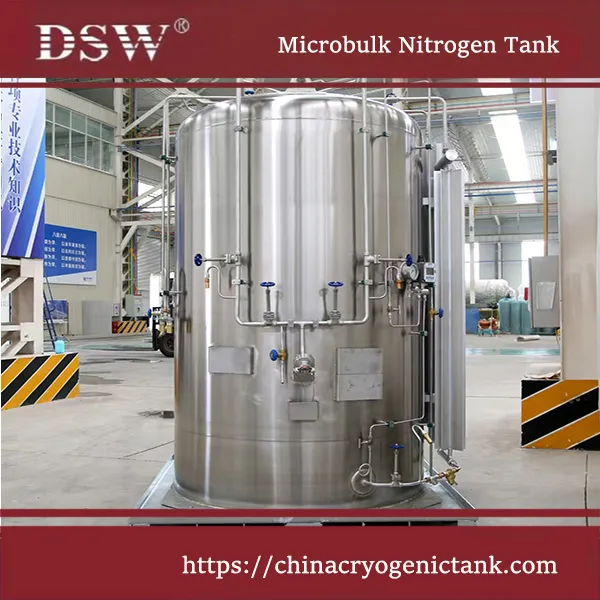
A reliable EtO gas supply system is an important part of an industrial sterilization operation. The appropriate configuration depends on sterilizer capacity, gas consumption, sterilization cycle design, storage requirements, site conditions, and applicable regulations.
Depending on the application, an EtO gas supply system may include:
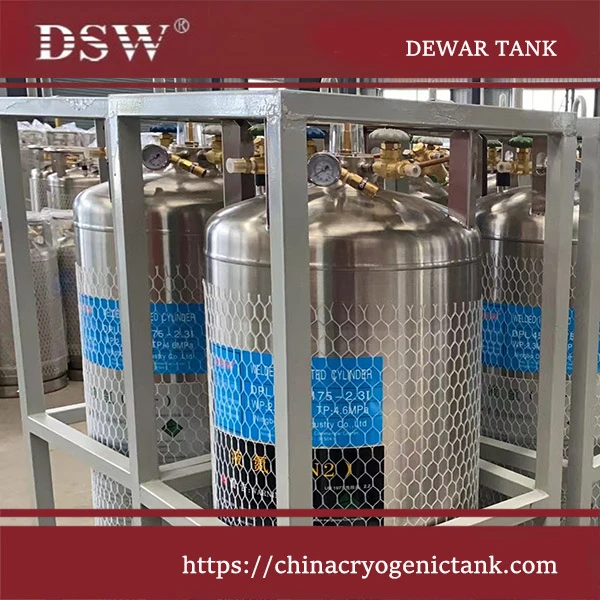
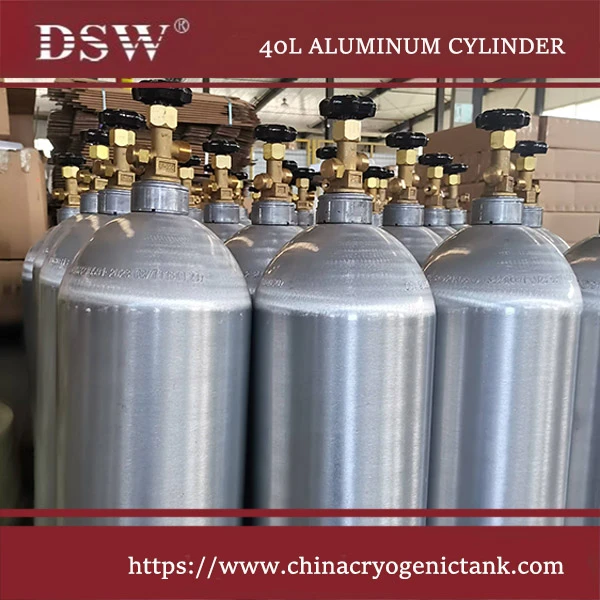
- Ethylene oxide gas cylinders or approved gas containers
- Gas manifolds and changeover systems
- Pressure regulation equipment
- Gas distribution piping
- Leak detection and monitoring systems
- Ventilation and exhaust systems
- Emission-control equipment
- Safety and emergency shutoff systems
For industrial projects, the gas-storage and supply configuration should be designed around the sterilization equipment and applicable hazardous-gas requirements rather than treated as a standalone cylinder-selection issue.
EtO Sterilization Standards
EtO sterilization for medical devices is subject to validated process controls and applicable international standards.
ISO 11135 specifies requirements for the development, validation, and routine control of ethylene oxide sterilization processes for medical devices. The FDA recognizes ISO 11135:2014/A1:2018 as a consensus standard for this application.
ISO 10993-7 addresses residual ethylene oxide and ethylene chlorohydrin in applicable medical devices and provides requirements for evaluating residual levels.
For healthcare-facility EtO sterilizers, FDA-recognized AAMI ST24:2024 addresses minimum labeling, safety, performance, testing, sterilant-source, and emission-control requirements for general-purpose EtO sterilizers with automated process control.
EtO Sterilization vs. Other Sterilization Methods
EtO is one of several sterilization technologies available for medical products. Other methods include steam, dry heat, radiation, vaporized hydrogen peroxide, chlorine dioxide, vaporized peracetic acid, and nitrogen dioxide.
| Sterilization Method | Typical Strength | Key Consideration |
|---|---|---|
| EtO | Low-temperature and high penetration | Requires controlled gas handling, aeration, and emission management. |
| Steam | Efficient heat and moisture sterilization | Not suitable for many heat- or moisture-sensitive products. |
| Radiation | Suitable for many packaged products | Material compatibility and radiation effects must be evaluated. |
| Vaporized hydrogen peroxide | Low-temperature processing | Penetration and material compatibility can limit applications. |
The appropriate sterilization method depends on the product, materials, packaging, required sterility assurance, process compatibility, regulatory requirements, and validated manufacturing process.
EtO Sterilization Process: Key Considerations
For an industrial EtO sterilization project, the sterilization process and gas supply system should be considered together. Important design factors include:
- Required sterilizer chamber volume
- EtO consumption per cycle
- Number of sterilization cycles per day
- Gas source and storage configuration
- Operating pressure and gas-delivery requirements
- Gas detection and emergency isolation
- Ventilation and exhaust configuration
- Emission-control requirements
- Product aeration requirements
- Applicable local and international standards
For larger sterilization facilities, these factors can influence the selection and arrangement of gas storage, distribution, monitoring, and safety equipment.
Cryogenic Tanks FAQs
About EtO sterilization
EtO sterilization is a low-temperature sterilization process that uses ethylene oxide gas to eliminate microorganisms from products, particularly medical devices that may be sensitive to heat or moisture.
Ethylene oxide can penetrate complex device geometries, certain packaging materials, and difficult-to-reach areas. This makes EtO suitable for many heat- and moisture-sensitive medical devices.
The main EtO sterilization parameters are ethylene oxide concentration, temperature, relative humidity, and exposure time. The actual operating conditions must be established and validated for the specific product and sterilization process.
Typical EtO sterilization operating temperatures are approximately 37°C to 63°C. The appropriate temperature depends on the product, sterilization cycle, equipment, and validated process.
The EtO exposure phase commonly ranges from about 1 to 6 hours, but the complete sterilization cycle can take considerably longer because it may include preconditioning, exposure, gas removal, and product aeration.
EtO sterilization requires controlled handling because ethylene oxide is a hazardous and flammable gas. Proper facilities use validated processes, gas detection, ventilation, exposure controls, emission management, and product aeration.
After EtO exposure, products undergo controlled aeration to reduce residual ethylene oxide and related compounds to applicable limits before product release.
ISO 11135 specifies requirements for the development, validation, and routine control of ethylene oxide sterilization processes for medical devices. ISO 10993-7 addresses applicable residual ethylene oxide and ethylene chlorohydrin requirements.
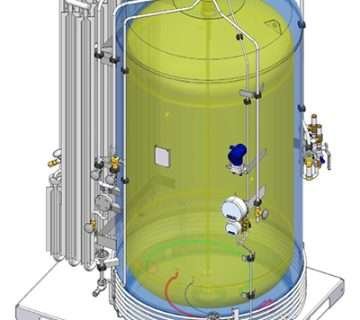
 Sterilization)
No comment