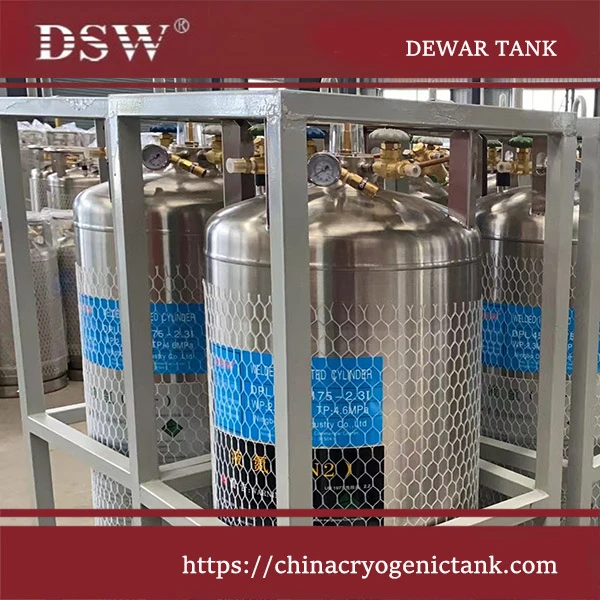
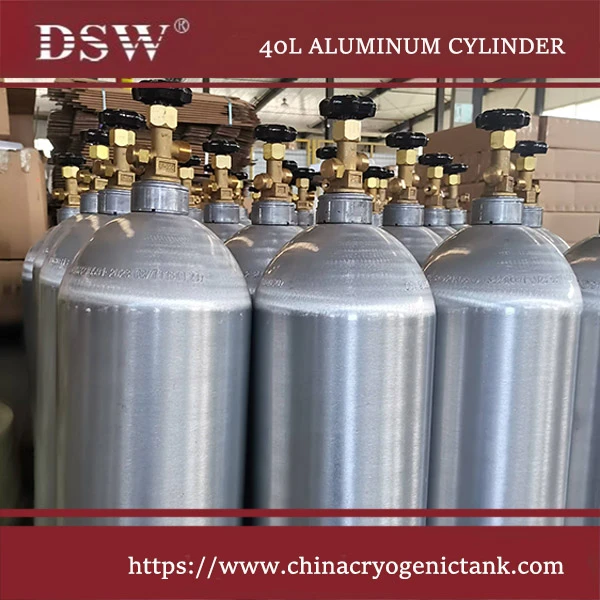
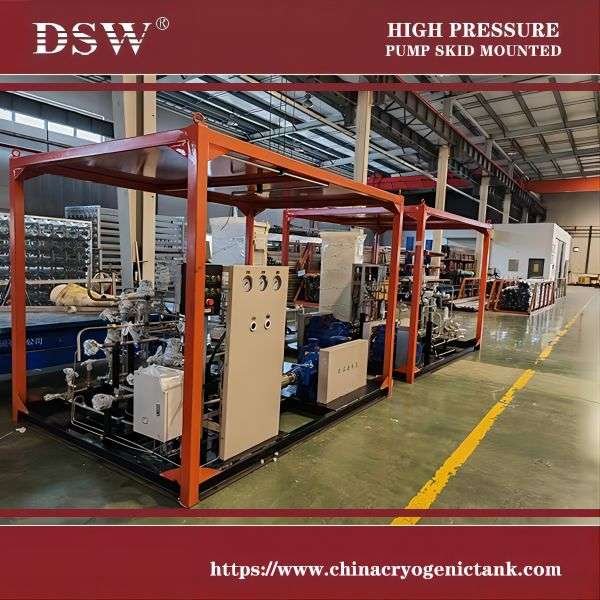
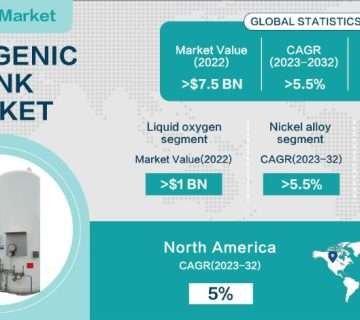
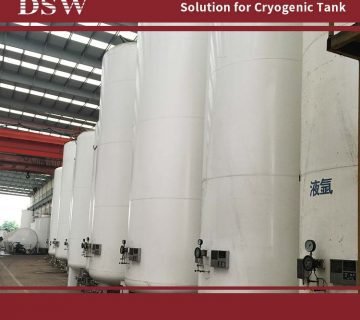
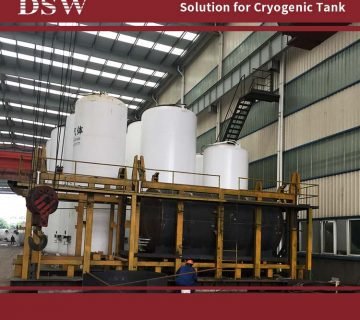
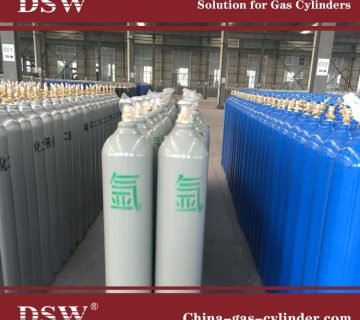
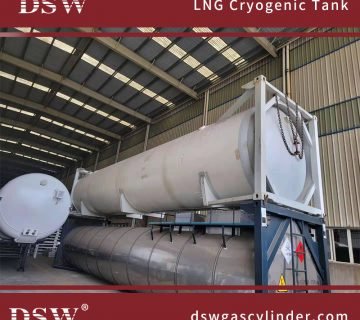
The global cryogenic tank industry plays a critical role in industrial gas storage, LNG infrastructure, liquid hydrogen systems, and medical gas supply. Cryogenic tanks are engineered to safely store liquefied gases such as liquid nitrogen (LN₂), liquid oxygen (LO₂), liquid argon (LAr), LNG, and liquid hydrogen (LH₂) at extremely low temperatures.
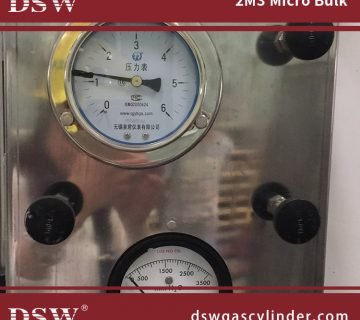
This category covers industry insights, leading cryogenic tank manufacturers, market trends, technical design standards, and application analysis across energy, industrial, and healthcare sectors. Topics include vacuum-insulated tank construction, bulk storage systems, microbulk solutions, ISO tank containers, pressure vessel compliance (ASME, EN), and emerging developments in LNG and hydrogen infrastructure.
Whether you are evaluating suppliers, researching tank technology, or analyzing global market developments, this section provides structured, technical, and up-to-date information about the cryogenic tank sector.